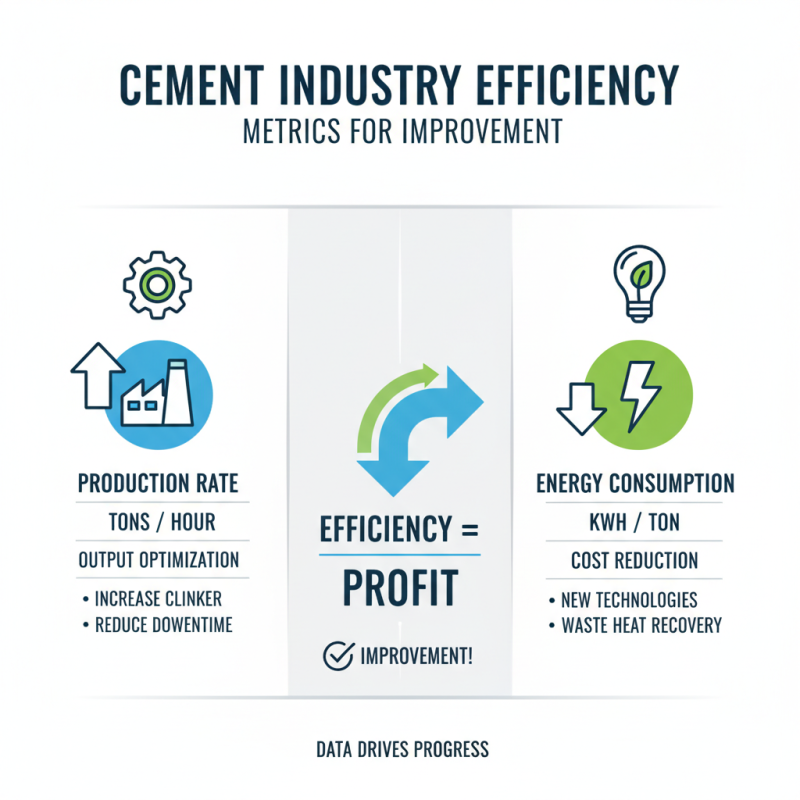
The Best 10 Cement Plants Lift Technologies for Efficient Operations
Cement Plants Lift technologies are vital for modern operations. Efficient lifting solutions enhance productivity and safety in cement manufacturing. As the industry evolves, the demand for optimized processes grows. Innovative technologies can improve material handling and reduce downtime.
In recent years, the focus has shifted towards automated systems and smart technology. These advancements not only streamline operations but also minimize human error. However, the implementation of these systems can be challenging. Companies must carefully consider their unique needs and capabilities.
The best cement plants utilize various lift technologies to ensure operational efficiency. Selecting the right equipment and training personnel is crucial. While many plants strive for excellence, there is always room for reflection and improvement. The journey towards efficiency in cement plants lift technologies is ongoing, requiring dedication and adaptability.
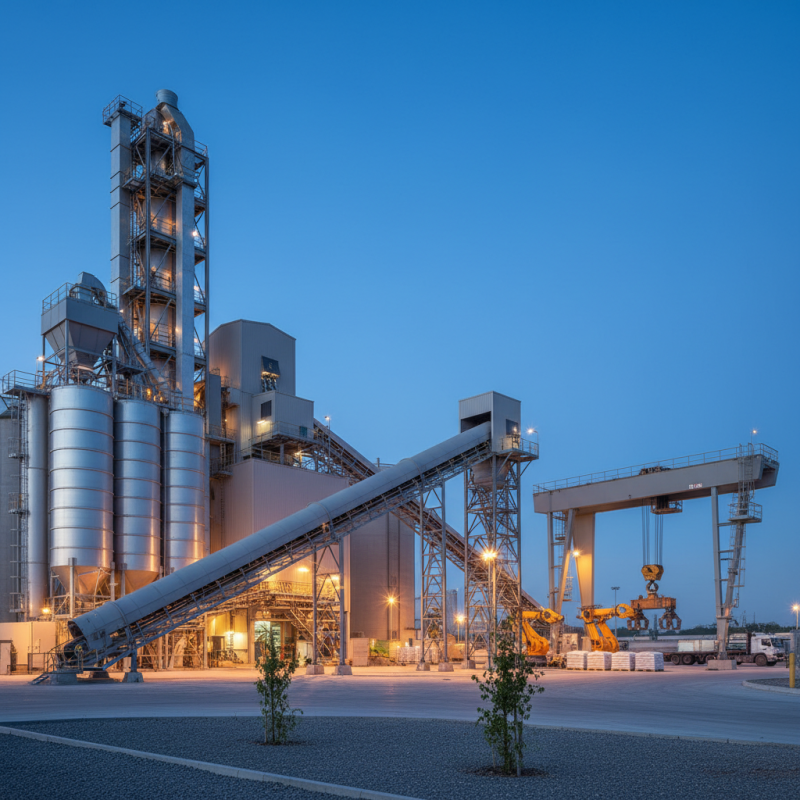
The Importance of Advanced Lift Technologies in Cement Production
Advanced lift technologies play a crucial role in cement production efficiencies. These systems improve material transport within plants. According to a 2022 industry report, implementing advanced lifts can enhance operational efficiency by up to 30%. This is significant, especially in environments where every fraction of a percent counts towards profitability.
Effective lifts reduce downtime in material handling. They provide precise control over loading and unloading processes. This precision minimizes the risk of unwanted material spills, which can lead to costly cleanup efforts. Studies show that better lift technology decreases maintenance costs by roughly 15%. However, some plants still rely on outdated systems, which can hinder overall productivity.
Moreover, energy consumption remains a critical consideration. Reports indicate that modern lifts can reduce energy use by 20% compared to traditional models. Yet, many plants have yet to adopt these innovations fully. Bridging the gap between current practices and advanced solutions requires investment and strategic planning. Efficient lift systems are essential for any cement plant aiming for long-term success.
Top 10 Cement Plants Leading in Lift Technology Innovations
Cement plants are increasingly embracing lift technology to improve efficiency. These innovations are transforming how materials are transported. The integration of modern lifts reduces downtime and enhances productivity in operations. From heavy machinery to raw materials, efficient lift systems ensure smooth workflows.
Tip: Regular maintenance of lift systems is crucial. Overlooking minor issues can lead to larger, costlier problems. Operators should focus on maintaining optimal conditions for all equipment.
Incorporating automation within lift technologies can significantly enhance performance. Automated lifts offer speed and reliability. This can be a significant advantage in high-demand environments. However, it requires ongoing training for staff to handle advanced systems effectively.
Tip: Invest in training programs. Skilled personnel can maximize the potential of lift technologies. They are essential for addressing operational challenges and using equipment safely. Continuous learning is the key to successful implementation.
The Best 10 Cement Plants Lift Technologies for Efficient Operations
| Rank |
Technology Type |
Efficiency Rating (%) |
Capacity (tons/year) |
Innovations Implemented |
| 1 |
Automated Elevators |
95 |
200000 |
Automatic Load Sensors |
| 2 |
Hydraulic Systems |
90 |
150000 |
Energy Recovery Features |
| 3 |
Smart Elevation Controls |
92 |
250000 |
Predictive Maintenance Algorithms |
| 4 |
Electric Drive Systems |
88 |
180000 |
Remote Monitoring Capabilities |
| 5 |
Frequent Lift Systems |
85 |
220000 |
Load Balancing Innovations |
| 6 |
Advanced Safety Mechanisms |
91 |
170000 |
Emergency Response Integration |
| 7 |
Energy-Efficient Drives |
89 |
160000 |
Smart Load Monitoring |
| 8 |
Telematics-Enabled Systems |
87 |
130000 |
Data Analysis Tools |
| 9 |
Modular Lift Design |
86 |
190000 |
Flexible Installation Options |
| 10 |
Vertical Lift Innovations |
84 |
140000 |
Rapid Construction Techniques |
Case Studies: Successful Implementation of Lift Technologies in Cement Plants
Cement plants are increasingly turning to advanced lift technologies to enhance operational efficiency. For instance, a recent study highlighted that implementing automated lift systems can reduce overhead costs by up to 20%. These systems facilitate smoother material transitions, minimizing downtime during production.
One notable case involved a plant that integrated a smart lift system. The outcome was a 15% increase in output efficiency. Data showed a significant drop in energy consumption, with a 10% reduction in overall energy use. However, not all installations were seamless. Some plants faced integration challenges with their existing equipment, indicating the need for thorough planning.
A different scenario featured a plant that employed data analytics for maintenance of lift systems. This proactive approach led to a 30% decrease in maintenance costs but reminded operators of the importance of continuous monitoring. While successes are prominent, there remain areas for improvement. Each plant’s unique infrastructure demands careful consideration to fully harness the potential of lift technologies.
Future Trends in Cement Plant Lift Technologies and Sustainability Efforts
The cement industry is undergoing significant changes, especially in lift technologies. These advancements can improve efficiency and reduce energy consumption. According to a recent report by the International Energy Agency, the cement sector accounts for about 8% of global CO2 emissions. Therefore, sustainable practices in lift operations are critical.
Innovative lift solutions, such as automated systems and energy-efficient elevators, are gaining traction. They not only enhance safety but also optimize operational workflows. Data from the World Cement Association suggests that implementing new lift technologies can potentially reduce energy costs by up to 30%. However, reliance on these technologies poses challenges, such as the need for skilled personnel to manage complex systems.
Implementing sustainable lift technologies is essential for future growth. The potential for operational efficiency exists, but the industry must also confront issues like costs and maintenance. As the market evolves, cement plants will need to balance innovation with practicality. A commitment to sustainability in lift operations can pave the way for a greener cement industry, but ongoing reflection is necessary to address emerging challenges.




 Ms.Lily International Sales Director
 Join 3S Group