What is Warehousing and Logistics Elevator Benefits for Buyers?
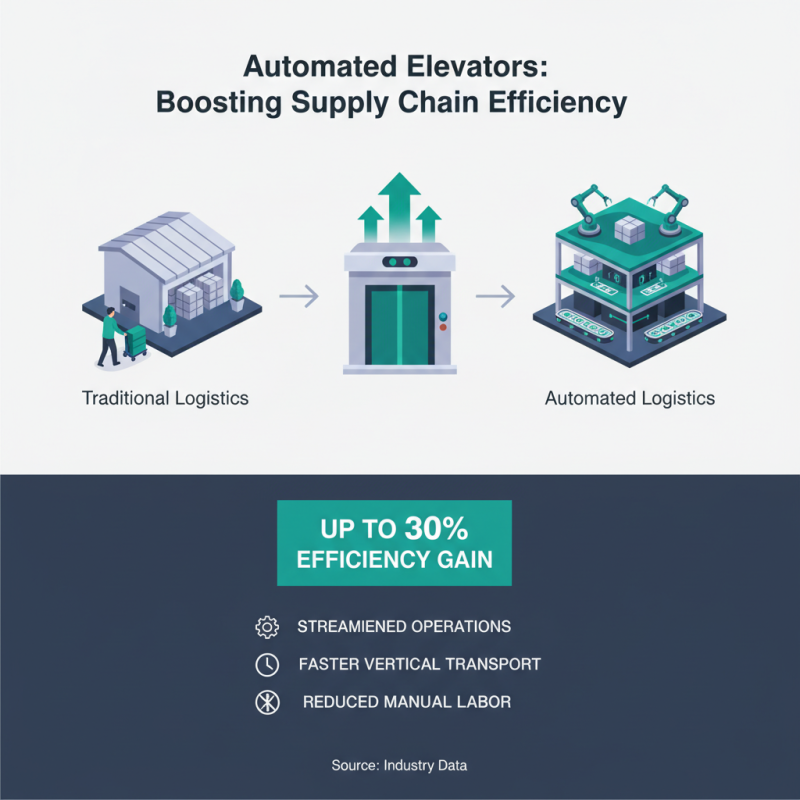
In the modern supply chain landscape, the role of a Warehousing and Logistics Elevator is vital for business efficiency. This innovative system facilitates the seamless movement of goods within warehouses. Buyers are increasingly recognizing its significance in enhancing operational workflows.
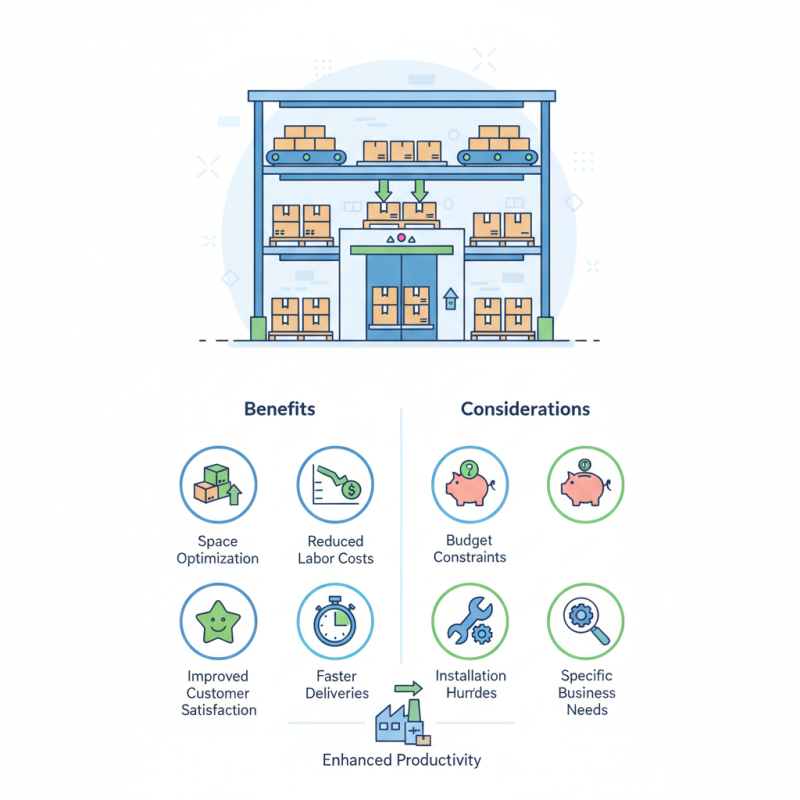
These elevators not only optimize space but also reduce labor costs. They provide easy access to different warehouse levels and streamline the picking process. Implementing such systems can lead to faster deliveries and improved customer satisfaction. However, choosing the right elevator requires careful consideration of specific business needs.
Buyers must evaluate various factors. The right Warehousing and Logistics Elevator can dramatically impact overall productivity. Yet, it's essential to reflect on potential challenges. Some may face budget constraints or installation hurdles. A thorough assessment can help businesses reap the maximum benefits from these advanced systems.
What is Warehousing and Logistics: An Overview of Key Concepts
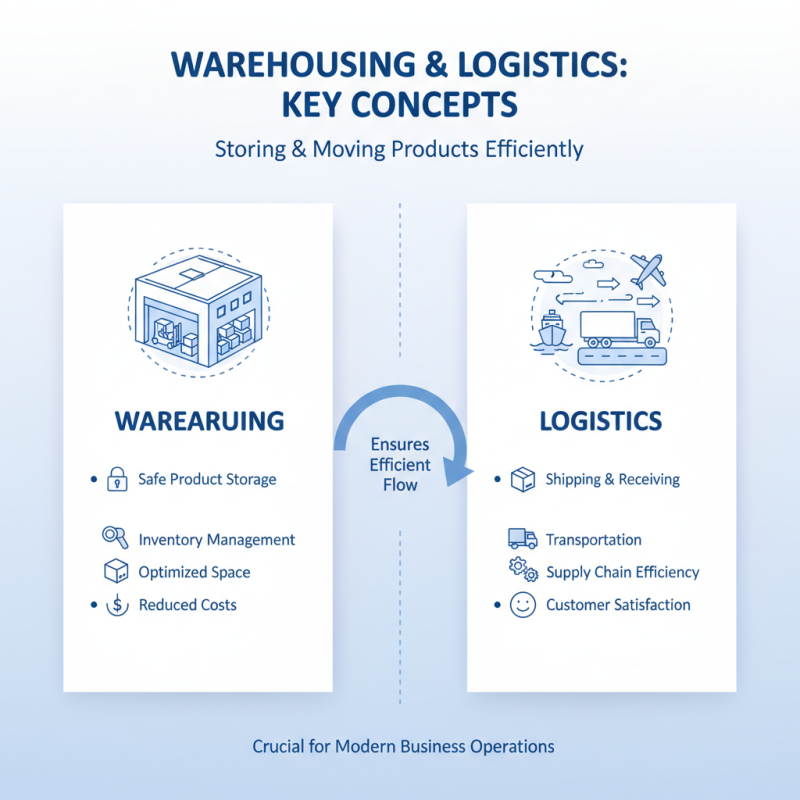
Warehousing and logistics play a crucial role in modern business operations. These terms encompass a variety of activities that ensure products are stored safely and transported efficiently. Understanding the logistics behind shipping, receiving, and inventory management is essential for buyers. A well-structured warehouse can significantly enhance supply chain efficiency and reduce operational costs.
Key concepts include inventory control, order fulfillment, and distribution strategies. Proper inventory management ensures that the right products are available when needed. Real-time tracking is vital for meeting customer expectations. It can help avoid stock discrepancies and backorders. However, many buyers overlook the complexities of logistics planning. This can result in inefficiencies and potential losses.
Engaging with logistics providers can reveal opportunities for improvement. Transparency in operations fosters trust and better communication. Buyers should assess their warehouse needs regularly. They must stay flexible to adapt to market changes. The logistics landscape evolves, and so must strategies. Reflecting on these aspects helps identify weaknesses and optimize overall performance.
The Role of Elevators in Modern Warehousing and Logistics Systems
The role of elevators in modern warehousing and logistics is crucial. They enhance efficiency and streamline operations in large facilities. Elevators allow quick movement of goods between different levels. This not only saves time but also reduces manual labor. In busy warehouses, every second counts. Elevators, therefore, are indispensable for productivity.
Additionally, the integration of elevators into logistics systems can transform the workspace. They facilitate the transport of heavy and bulky items smoothly. This minimizes the risk of injuries among workers. Elevators can also improve inventory management. By providing easy access to various stock levels, they enable swift retrieval and storage of products.
However, relying solely on elevators poses challenges. Regular maintenance is necessary to ensure they operate efficiently. Any downtime can disrupt the entire supply chain. Moreover, proper training for staff on using elevators is vital. Misuse can lead to accidents or damage to goods. Continuous improvement in elevator technology is essential, ensuring they meet the evolving demands of warehousing and logistics.
Benefits of Efficient Warehousing: Data-Driven Insights for Buyers
Efficient warehousing is crucial for buyers seeking to enhance their logistics operations. Data-driven insights can illuminate areas for improvement. This advantage helps businesses streamline inventory management. Accurate data enables real-time monitoring of stock levels, reducing instances of overstock and stockouts. Buyers can adjust orders based on demand forecasts, preventing waste.
Moreover, buyers benefit from optimized space utilization. A well-organized warehouse maximizes storage efficiency. By implementing technology, organizations can analyze space requirements. This leads to strategic placement of products that minimizes retrieval time. Efficiency in warehousing directly translates to faster delivery, a critical factor in customer satisfaction.
Despite these benefits, not all buyers fully leverage their warehousing capabilities. Often, companies may rely on outdated methods. This highlights the need for continual assessment of logistics strategies. Regularly reviewing operations can unveil inefficiencies. Embracing change may feel daunting, but it is essential for optimal performance in logistics. Investing in the latest warehousing practices is not just a trend, but a necessity.
Cost Savings and Productivity Gains from Optimized Logistics Solutions
In today's competitive market, optimizing logistics solutions can lead to significant cost savings. According to a report by the Council of Supply Chain Management Professionals, companies that invest in logistics technology can lower their overall logistics costs by up to 15%. By streamlining warehousing and distribution processes, businesses can reduce their operational expenses and attain a better bottom line.
Implementing optimized logistics not only saves money but also increases productivity. A study from the Warehousing Education and Research Council found that automated warehousing systems can improve order fulfillment speeds by 30-50%. Companies that utilize advanced software for inventory management can minimize errors and enhance supply chain transparency. However, it's essential to acknowledge that transitioning to these systems requires time and training, which can be a challenge for some organizations.
Despite these benefits, not all businesses see immediate gains. Some may encounter difficulties in fully integrating new technologies into existing operations. Factors such as workforce resistance to change can hinder progress. Moreover, initial investments can be substantial, which may concern smaller enterprises. Balancing the potential for savings with these challenges is crucial for long-term success in logistics.
Cost Savings and Productivity Gains from Optimized Logistics Solutions





 Ms.Lily International Sales Director
 Join 3S Group