Leave Your Message

Top 10 Benefits of Warehousing And Logistics Elevator Systems?

In today's fast-paced world, effective warehousing and logistics are essential. A well-designed warehousing and logistics elevator can transform operations. These systems improve efficiency by streamlining the movement of goods. They facilitate quick access to inventory, reducing wait times.

Moreover, these elevators enhance safety in warehouses. They minimize manual lifting, which can lead to injuries. Proper use of warehousing and logistics elevators can prevent accidents. However, companies must remember that maintenance is key. Neglecting upkeep can cause malfunctions and inconveniences.

Investing in warehousing and logistics elevator systems is not just about technology. It's about improving workflows and maximizing space. The benefits are tangible, but reflection on their implementation is necessary. Organizations should evaluate how these systems fit their unique needs. This ongoing assessment ensures that they adapt as demands change.
Top 10 Benefits of Warehousing And Logistics Elevator Systems?

Advantages of Efficient Space Utilization in Warehousing Systems

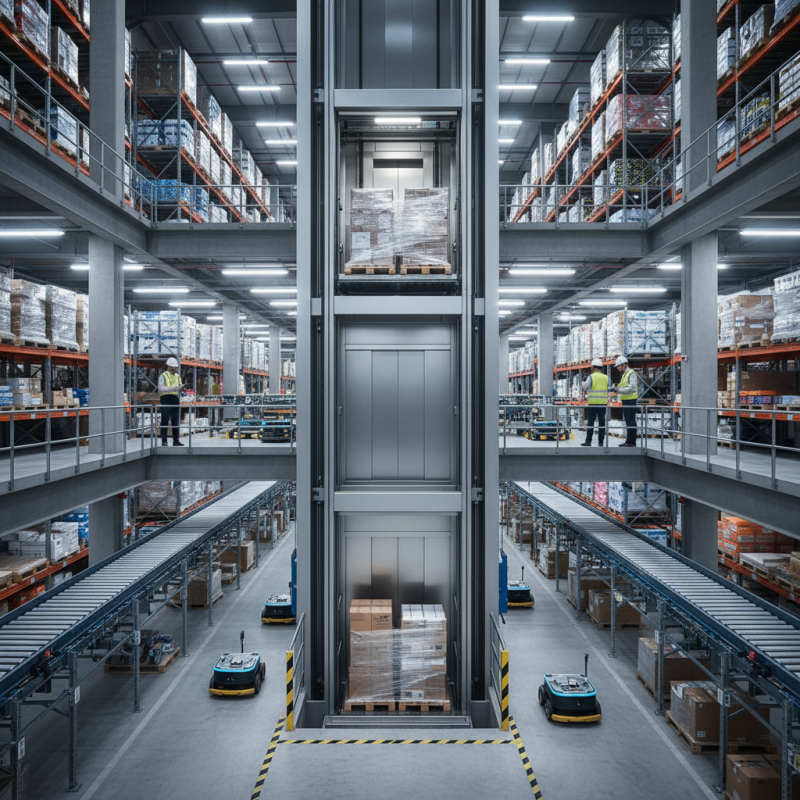
Efficient space utilization in warehousing systems is crucial for maximizing productivity. Elevators designed for logistics can significantly enhance storage capabilities. With their ability to transport goods vertically, these systems free up valuable floor space. Instead of sprawling horizontal layouts, warehouses can adopt more compact setups. This vertical design reduces the overall footprint while increasing storage capacity.

Moreover, optimizing space reduces clutter. A well-organized warehouse leads to quicker inventory retrieval. Time is money, and an efficient system can streamline operations. However, some warehouses still struggle with layout considerations. Miscalculating heights or ignoring accessibility can create bottlenecks. Regular assessments of the space layout are essential. Thinking critically about warehouse design can lead to unexpected insights.

Inefficiencies still exist in many modern warehouses. A lack of proper utilization results in wasted resources. Elevators help bridge the gap between different shelving units. Yet, not all facilities prioritize these systems. Some warehouse managers may overlook the benefits of vertical solutions. A shift in mindset is often necessary to embrace more effective storage practices. Over time, the right adjustments can lead to significant operational improvements.


Top 10 Benefits of Warehousing and Logistics Elevator Systems

Improved Safety Standards: Reducing Workplace Accidents with Elevator Systems

Top 10 Benefits of Warehousing And Logistics Elevator Systems?

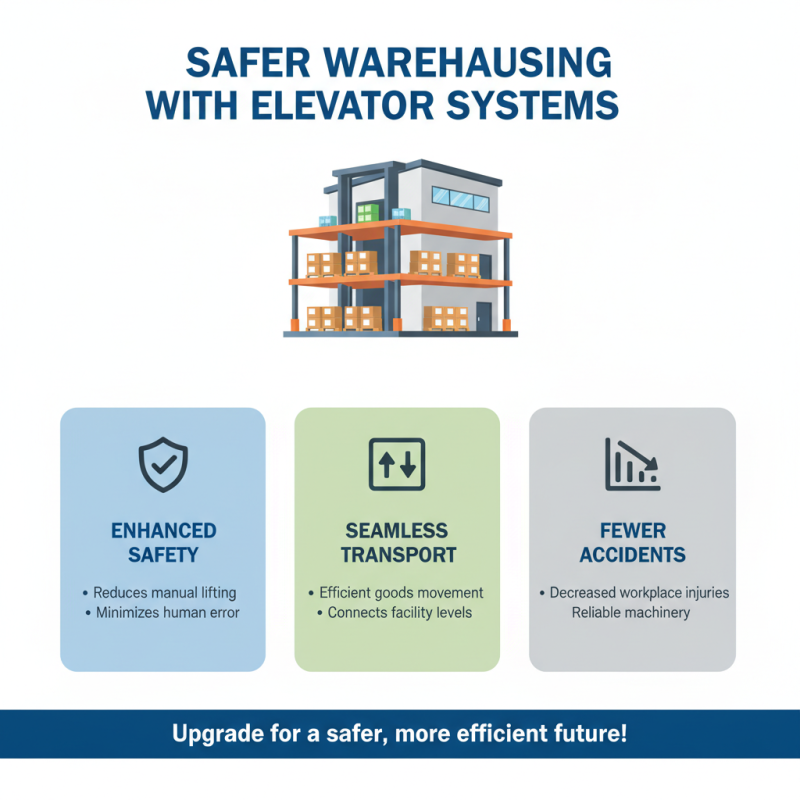
Elevator systems in warehousing and logistics play a crucial role in enhancing safety standards. They are designed to transport goods seamlessly between different levels of a facility. With proper installation and maintenance, these systems significantly reduce the risk of workplace accidents. Many facilities report fewer injuries when using elevators instead of manual lifting. It's evident that the right machinery can make a difference.

However, operators must stay vigilant. Regular training is necessary to ensure everyone knows how to use the systems properly. Maintenance schedules should not be overlooked either. Neglecting these can lead to malfunctioning equipment, which can be hazardous. Safety is not just about having systems in place; it's also about how well they are managed.

Moreover, the integration of elevator systems can help in streamlining operations. Workers no longer need to strain themselves lifting heavy items. Yet, not all employees are used to working with these machines. Some may feel apprehensive or uncertain. Continuous education is vital for their comfort and safety. This aspect of safety might be overlooked but is essential for smooth operations.

Enhanced Inventory Management: Streamlining Storage with Vertical Solutions

Vertical solutions in warehousing and logistics have transformed inventory management. These systems allow for more efficient space utilization. Reports indicate companies can increase storage capacity by up to 60% using vertical solutions. Enhanced space means businesses can store more products without expanding their warehouse footprint.

Moreover, vertical solutions promote better inventory accuracy. With improved accessibility, employees can locate items quickly. Studies show that enhanced inventory accuracy can reduce stock discrepancies by nearly 30%. This improvement minimizes costly errors. Still, not every company implements vertical systems effectively. Some struggle with training staff to use new technologies. This reflects the need for proper change management in logistics.

Lastly, integrating these systems can be costly upfront. Companies must weigh the initial investment against long-term savings. Data suggests that such investments can lead to a 10-15% return within a few years. However, if not planned well, these benefits may not materialize. Frequent review and adaptation are essential for success.

Top 10 Benefits of Warehousing And Logistics Elevator Systems

Benefit Description Impact on Business
Enhanced Inventory Management Improves the organization and accessibility of stock, reducing time spent searching for items. Increases operational efficiency and reduces holding costs.
Space Optimization Utilizes vertical space effectively, maximizing storage capacity within the floor area. Reduces the need for additional warehousing space.
Faster Access to Products Elevator systems allow rapid movement of products to and from various storage levels. Speeds up order fulfillment and improves customer satisfaction.
Safety Enhancement Reduces manual lifting and the risk of injury for workers. Enhances employee wellbeing and reduces potential liability costs.
Flexibility in Operations Allows for easy adjustment of storage layouts based on demand. Fosters quick response to changing market conditions.
Improved Workflow Streamlines the process of picking, packing, and shipping goods. Boosts productivity and lowers operational costs.
Enhanced Data Accuracy Automated systems minimize human error in inventory counts. Improves inventory tracking and reduces discrepancies.
Cost-Efficiency Reduces labor costs associated with manual handling of goods. Increases profit margins through lower operating expenses.
Scalability Easily accommodates growth in inventory without major infrastructure changes. Supports business expansion with minimal disruption.
Environmental Sustainability Promotes efficient use of resources, reducing carbon footprint. Aligns with corporate social responsibility goals.

Cost-Effectiveness: Evaluating Long-Term Savings in Logistics Operations

In logistics operations, cost-effectiveness is crucial for long-term sustainability. Implementing warehousing and logistics elevator systems can significantly reduce operational costs. These systems allow for the efficient movement of goods between different levels of a warehouse. This leads to quicker processing times and reduced labor costs. Automated systems can handle heavy loads without much human intervention. It’s a smart investment, yet initial costs can raise concerns.

Over time, the savings add up. Fewer labor hours are required, and tasks become streamlined. Workers stay safer too, reducing the risk of accidents. However, it’s essential to maintain these systems regularly. Neglect can lead to unexpected breakdowns and added expenses. Monitoring performance helps ensure they operate efficiently. A proactive approach reduces the chances of costly surprises in the future.

Moreover, evaluating these systems involves more than just upfront costs. Each facility has unique needs. Therefore, careful planning is essential to maximize benefits. Flexibility in design can adapt to changing demands. While these systems offer great advantages, understanding potential drawbacks is important. Careful consideration makes investments in warehousing and logistics elevator systems more worthwhile in the long run.

Increased Productivity: How Elevator Systems Accelerate Goods Movement

Elevator systems play a vital role in enhancing productivity in warehousing and logistics. They significantly speed up the movement of goods across various levels. With faster loading and unloading times, companies can respond quickly to customer demands. This efficiency can transform not just operations but also overall revenue. Elevators allow for seamless transport of heavy items, reducing manual labor and potential workplace injuries.

Tips for optimizing elevator use include regular maintenance checks. A well-functioning elevator system minimizes downtime. Training staff on proper loading techniques is crucial. Properly loaded goods prevent accidents and ensure safe transport. Another tip is to track elevator usage patterns. Understanding peak times helps in planning resources better.

Moreover, mistakes happen. Occasionally, goods may get stuck or damaged. This situation can lead to delays and dissatisfaction. Continuous reflection on operations helps to mitigate such issues. By analyzing problems, companies can improve processes. Implementing feedback loops can help create a more resilient logistics system.