Why Choose an Electric Cable Hoist for Your Next Project?
In the world of construction and heavy lifting, the importance of choice cannot be overstated. An Electric Cable Hoist stands out as a vital tool for projects of various scales. John Smith, a seasoned expert in material handling, states, "Choosing the right equipment can make or break a project." His insight highlights the weight of this decision.
Electric Cable Hoists are engineered for efficiency. They provide the power and speed to lift heavy loads with precision. Projects that require lifting steel beams or large machinery can benefit significantly from this technology. However, choices often come with challenges. Some may find the installation complex or have concerns regarding maintenance.
Reflecting on different projects, it is clear that while Electric Cable Hoists provide obvious advantages, they also require careful planning and consideration. Selecting the right model demands a thorough understanding of the project needs. In the end, the reliable performance of an Electric Cable Hoist can lead to successful outcomes, but it is essential to navigate potential pitfalls with caution.
Benefits of Electric Cable Hoists in Industrial Applications
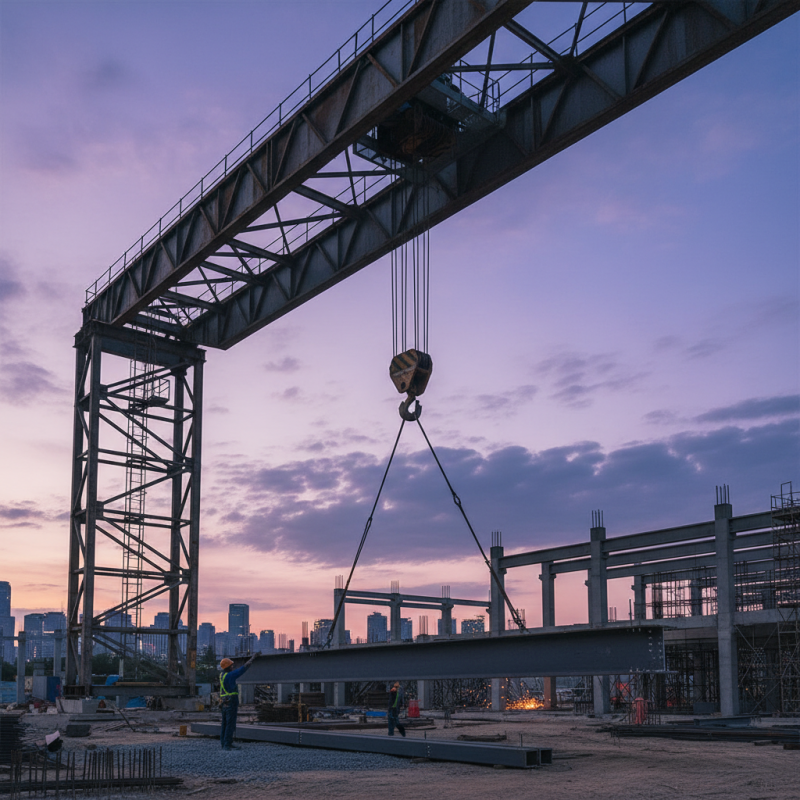
Electric cable hoists are rapidly gaining traction in industrial applications due to their numerous advantages. One significant benefit is their efficiency. Reports indicate that electric cable hoists can lift loads up to 50% faster than traditional manual systems. This increase in speed can significantly enhance productivity on construction sites and manufacturing floors. The ability to move heavy materials quickly reduces downtime, allowing teams to meet project deadlines more effectively.
Moreover, electric hoists are known for their precision. Many models come equipped with advanced control systems that enable operators to position loads with accuracy. A study highlighted that precision lifting can reduce material waste by up to 30%. This is particularly beneficial in industries where costly materials are handled, ensuring that projects stay within budget.
However, as businesses adopt these technologies, it's important to address potential drawbacks. Electric cable hoists require regular maintenance to ensure optimal performance and safety. Neglecting maintenance can lead to unexpected failures and costly repairs. Additionally, the initial investment can be a barrier for some companies, despite the long-term savings. It’s crucial for organizations to weigh these factors, ensuring that they make informed decisions about adopting electric hoists in their operations.
Comparison of Electric Cable Hoists vs. Manual Hoists Efficiency
When evaluating efficiency, electric cable hoists significantly outshine manual hoists. According to a recent industry report, electric hoists can lift loads up to 15 times faster than their manual counterparts. This speed translates into quicker project completion. In environments where time is critical, the benefits of an electric hoist become even clearer.
Moreover, safety plays a vital role in this discussion. Manual hoisting involves a greater risk of human error. The same report indicates that electric hoists reduce the likelihood of workplace accidents by approximately 40%. This statistic highlights a crucial advantage. Minimizing human strain while enhancing lifting power results in a safer worksite.
However, not all projects require the same tools. Some tasks may not justify the investment in an electric hoist. It is essential to assess workload and frequency of use. If a project demands substantial lifting and speed, an electric hoist proves invaluable. On the other hand, for occasional small jobs, manual hoists might suffice. Balancing requirements with efficiency is key for project success.
Key Safety Features of Electric Cable Hoists and Their Importance
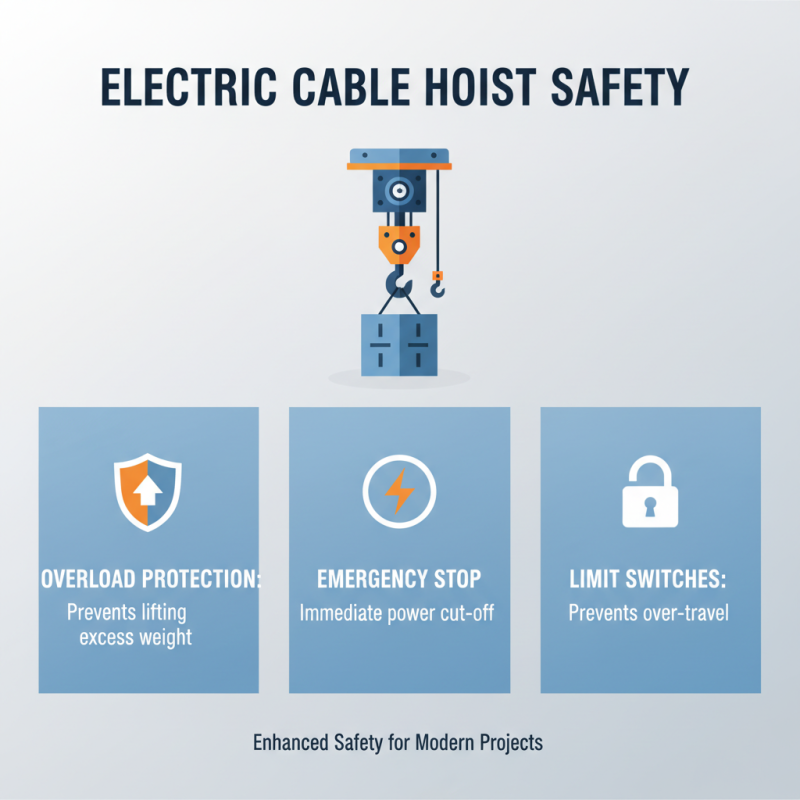
Electric cable hoists are increasingly becoming the go-to choice for various projects, especially where safety is a priority. These tools come equipped with several key safety features that can significantly reduce risks and enhance worker safety. For instance, they often include overload protection systems. This feature prevents the hoist from carrying more weight than it can handle, which can help avoid accidents.
Another crucial safety aspect is the emergency stop function. It allows operators to halt the hoisting process instantly in case of an emergency. This is essential in high-pressure situations where quick responses can prevent catastrophic outcomes. Safety measures are not just about the equipment; they also involve training personnel effectively.
Tips: Always ensure that operators receive proper training on the equipment. Regular maintenance checks can keep safety systems functioning effectively. Also, have a clear protocol for emergencies and ensure everyone is aware of it.
While many features improve safety, it is important to remember that no system is infallible. Regularly reviewing safety processes can reveal areas that need adjustments. Being proactive about safety can save lives and reduce liability. It’s crucial to remember that every project is unique, and constant evaluation of safety measures ensures the best protection for workers.
Electric Cable Hoist Load Capacity: Industry Standards and Considerations
When selecting an electric cable hoist, understanding load capacity is crucial. Industry standards help determine the right hoist for your project. Load capacity is typically measured in tons. Most hoists can lift between 1 to 20 tons. It’s important to match the hoist’s capacity with your specific needs.
Consider the weight of the materials you’ll be lifting. Always add a safety margin. For example, if your materials weigh 3 tons, selecting a hoist with at least 4 tons of capacity is wise. Understanding how load distribution affects stability is also essential. Uneven loads can lead to accidents, highlighting the importance of proper setup.
Verify the hoist's duty cycle too. A hoist used intermittently can be rated differently than one used continuously. Users should reflect on their project requirements. Sometimes, opting for a lower capacity might save costs, but can it handle the job? A careful assessment can prevent costly downtime.
Load Capacity of Electric Cable Hoists
This chart illustrates the load capacity of various electric cable hoists across different classifications. The data represents the maximum load each type can safely handle, providing a reference for selection in your projects.
Cost-Benefit Analysis of Electric Hoists in Long-term Projects
When considering electric hoists for long-term projects, a cost-benefit analysis reveals their advantages. According to a recent industry report, electric hoists can offer up to 30% reduction in operational costs compared to manual or pneumatic alternatives. This saving primarily stems from their energy-efficient motors, which consume less power over time.
Maintenance is another crucial factor. Electric hoists generally require less frequent servicing due to their fewer moving parts. Data indicates that while manual hoists may need monthly inspection, electric variants can often extend that interval to every six months. This distinction can lead to significant labor cost savings.
Yet, initial costs can be a concern. Some projects may shy away from electric models due to higher upfront investments. However, total cost of ownership clearly favors electric hoists over several years. The longevity and reduced operational expenses often outweigh initial costs. These factors demand careful consideration when evaluating options for any project.
Why Choose an Electric Cable Hoist for Your Next Project? - Cost-Benefit Analysis of Electric Hoists in Long-term Projects
| Criteria |
Electric Hoist |
Manual Hoist |
| Initial Cost |
$2,000 |
$800 |
| Maintenance Cost (Annual) |
$150 |
$50 |
| Lifting Speed (ft/min) |
30 |
10 |
| Load Capacity (lbs) |
2,000 |
1,000 |
| Labor Cost (Annual, inclusive) |
$2,500 |
$4,500 |
| Total Cost over 5 Years |
$12,500 |
$25,000 |




 Ms.Lily International Sales Director
 Join 3S Group