


 Ms.Lily International Sales Director
 Join 3S Group
Anchor Point


0102030405


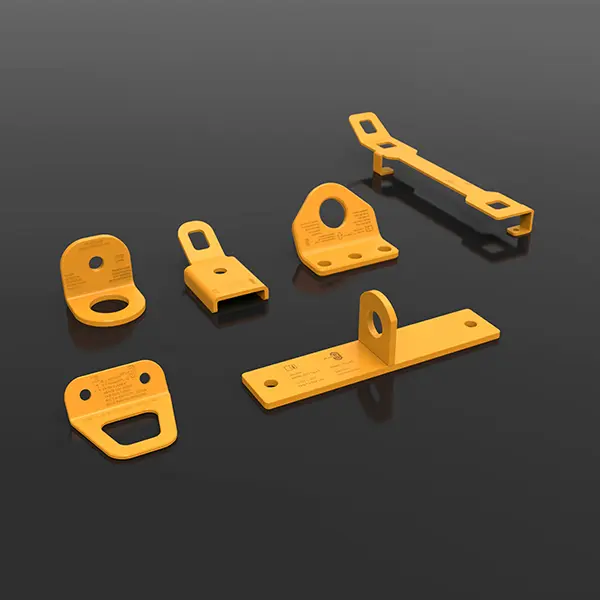
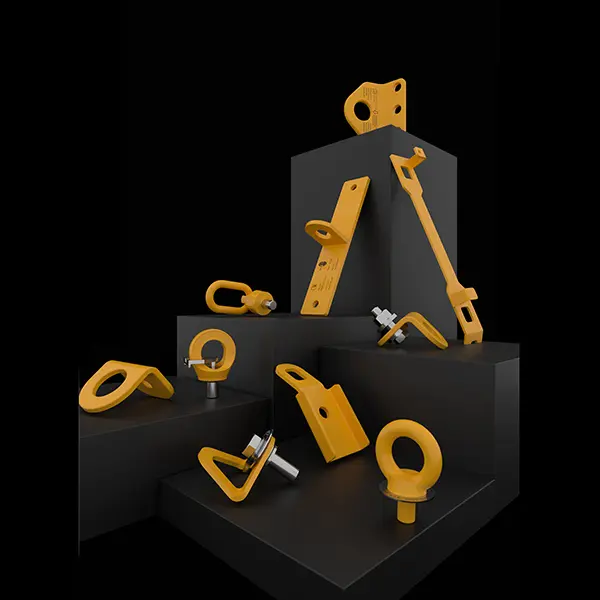
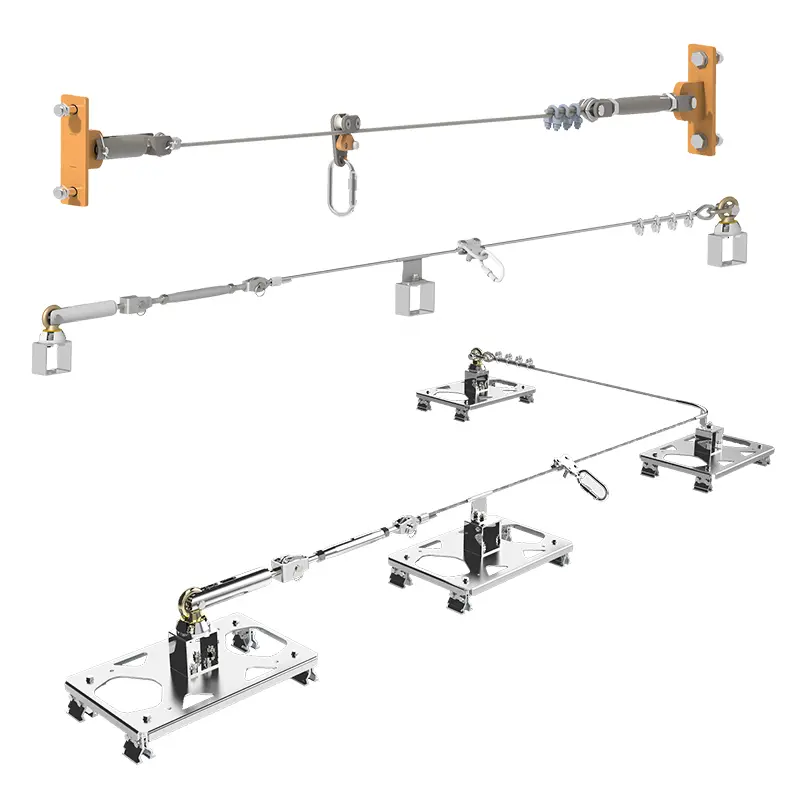
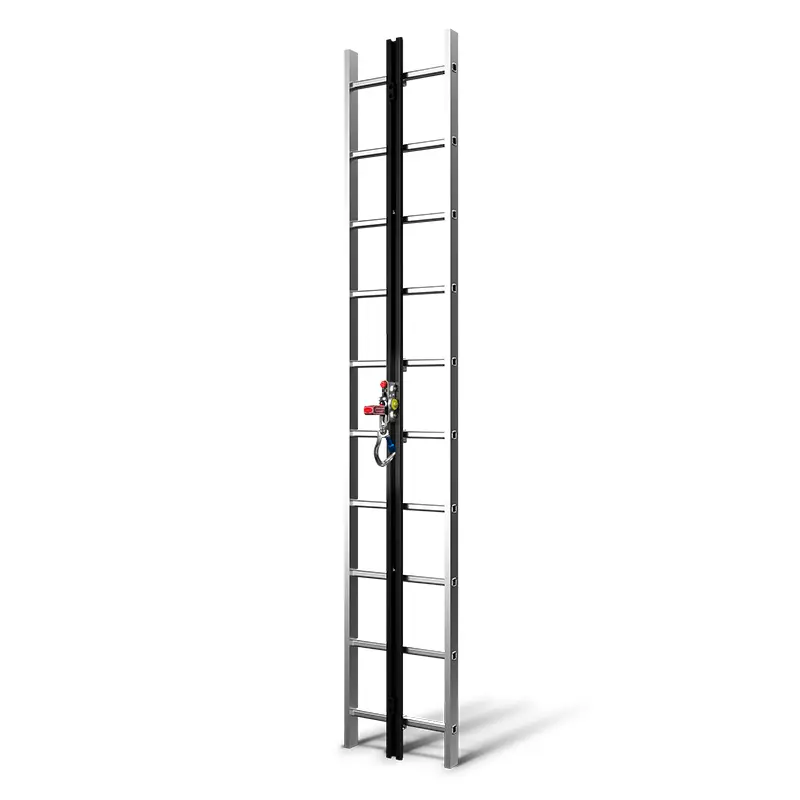
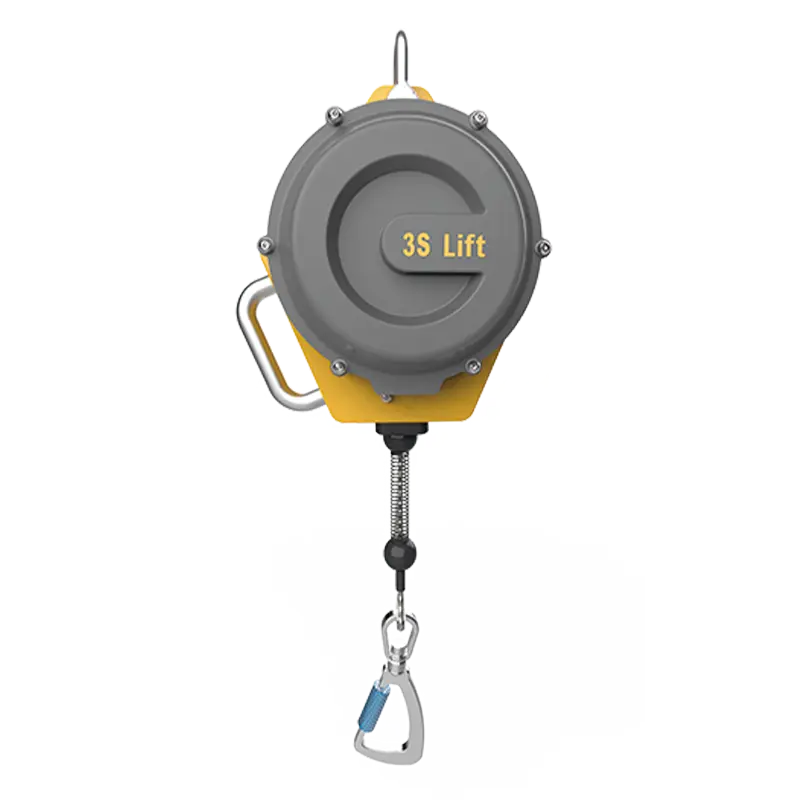
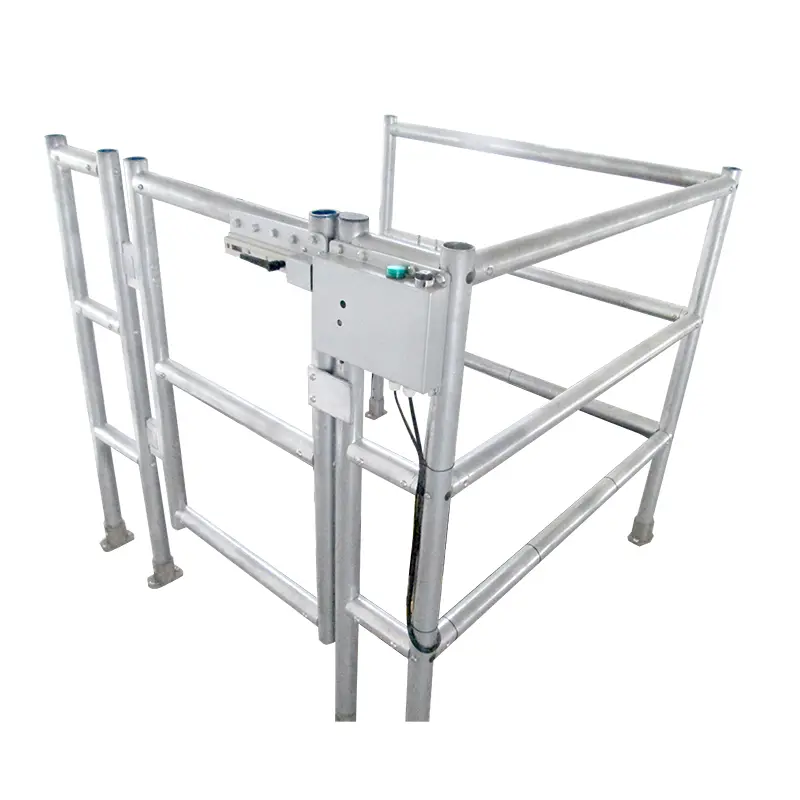
3S personal protective equipment anchor points
Video
Key Features

High strength

Corrosion resistance

Various forms

Reliable connection

Customization
Specifications
Model |
WTL-A1, WTL-A2, WTL-A3......WTL-A40 |
Material |
Q235B / SUS304 / SUS316L / 23MnCrNiMo54 / 42CrMoA / Q355E |
Surface treatment |
Zinc infiltration + spraying / Dacromet + spraying / Sandblasting + spraying / Spraying / Titanium plating |
Corrosion resistance |
C5-M 720h / C5-H 1440h |
Load capacity |
12 / 15 / 22.2 / 44.4 kN |
Vertical beam size |
60×25 / 72×25 / 74×25 mm |
Implementation standards |
EN 795, EN 50308, CEN TS 16415, OSHA 1926.502 |
Certification |
CE |
Customization |
Customized design and manufacturing can be carried out according to different customer needs. |
Fixed Suspension Point in Fall Protection Systems
A fixed suspension point is a critical engineered component within personal fall protection systems, designed to serve as a secure anchor for connecting safety lanyards, lifelines, or self-retracting devices. Typically constructed from high-grade forged steel or aluminum alloys, these load-rated attachment points withstand forces exceeding 22 kN (5,000 lbf) to comply with international standards such as EN 795 and OSHA 1926.502. Their primary function is to arrest falls by creating a stable link between a worker’s full-body harness and a structurally sound anchor, distributing impact forces across the body’s strongest anatomical regions—shoulders, thighs, and pelvis.
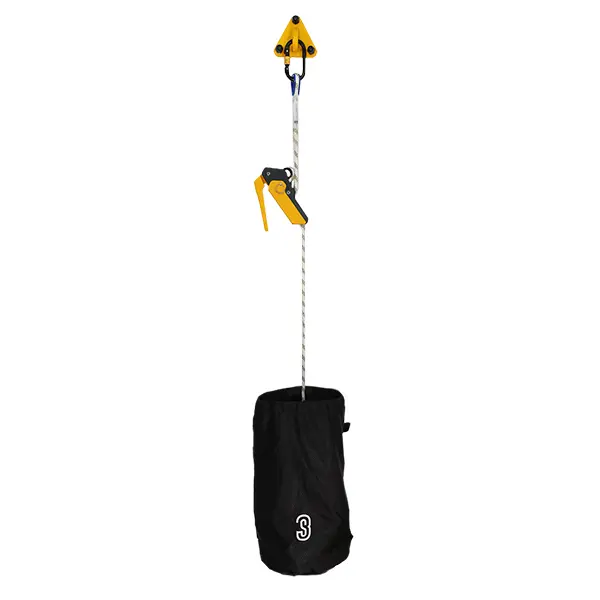
Beyond fall prevention, these suspension points enable emergency response protocols. When integrated with auto-descending devices, they facilitate controlled vertical evacuation during fires, structural failures, or equipment malfunctions. For instance, in telecom tower maintenance, technicians can attach a descent controller directly to the anchor, allowing safe, hands-free rappelling at speeds regulated to 1–1.5 m/s via centrifugal brakes. Advanced models feature swivel mechanisms to prevent rope twisting during descent and corrosion-resistant coatings for maritime or chemical environments.
Applications span industries requiring vertical mobility:
● Construction: Anchors pre-installed on steel beams enable safe movement across high-rise frameworks.
● Wind energy: Turbine technicians use suspension points on nacelles for transfer between ladder systems.
● Industrial rescue: Firefighters leverage these anchors for confined-space retrievals.
● Construction: Anchors pre-installed on steel beams enable safe movement across high-rise frameworks.
● Wind energy: Turbine technicians use suspension points on nacelles for transfer between ladder systems.
● Industrial rescue: Firefighters leverage these anchors for confined-space retrievals.
Engineered with fail-safe locking gates and 360° rotation capability, modern suspension points minimize cross-loading risks while maintaining worker mobility. Third-party certifications (e.g., CE, UIAA) validate their performance under extreme temperatures (-30°C to +100°C) and cyclic loading tests. Proper installation on load-bearing structures (concrete, I-beams) ensures this component remains the linchpin of fall protection strategies, reducing fall arrest forces to <6 kN to prevent injury while enabling rapid emergency egress.