Leave Your Message

Why Is a Bridge Maintenance Elevator Essential?

A bridge may look sound from the road, yet hidden damage can develop above traffic lanes, inside towers, or beneath deck structures. Inspectors need safe, repeatable access to these difficult areas. A Bridge Maintenance Elevator provides controlled vertical movement for engineers, technicians, tools, and inspection equipment. Access matters.

Unlike temporary ladders or mobile platforms, a properly designed elevator can support scheduled inspections and planned repair work. It reduces climbing demands and helps crews carry cameras, ultrasonic devices, cables, and replacement components. This can improve inspection consistency, especially when weather, height, or traffic exposure creates additional pressure. Time matters.

The system must match the bridge’s structure, operating environment, and maintenance schedule. Engineers should evaluate lifting capacity, travel distance, corrosion protection, emergency controls, braking systems, and power reliability. They should also review manufacturer data, inspection records, and applicable safety requirements before installation. A specialist assessment remains essential.

A useful elevator is not simply a lifting machine. It becomes part of the bridge’s long-term maintenance strategy. Regular servicing can identify worn rollers, damaged guide rails, unusual vibration, or water intrusion before these issues become serious. However, no system removes every hazard. That risk remains.

Design assumptions can also prove incomplete after years of exposure. Salt, dust, freezing temperatures, and repeated loading may affect performance differently than expected. For this reason, owners should combine professional engineering judgment with documented inspections and operator training. When selected and maintained responsibly, a Bridge Maintenance Elevator can support safer access, reduce avoidable delays, and help protect the bridge’s service life.
Why Is a Bridge Maintenance Elevator Essential?

What Is a Bridge Maintenance Elevator?

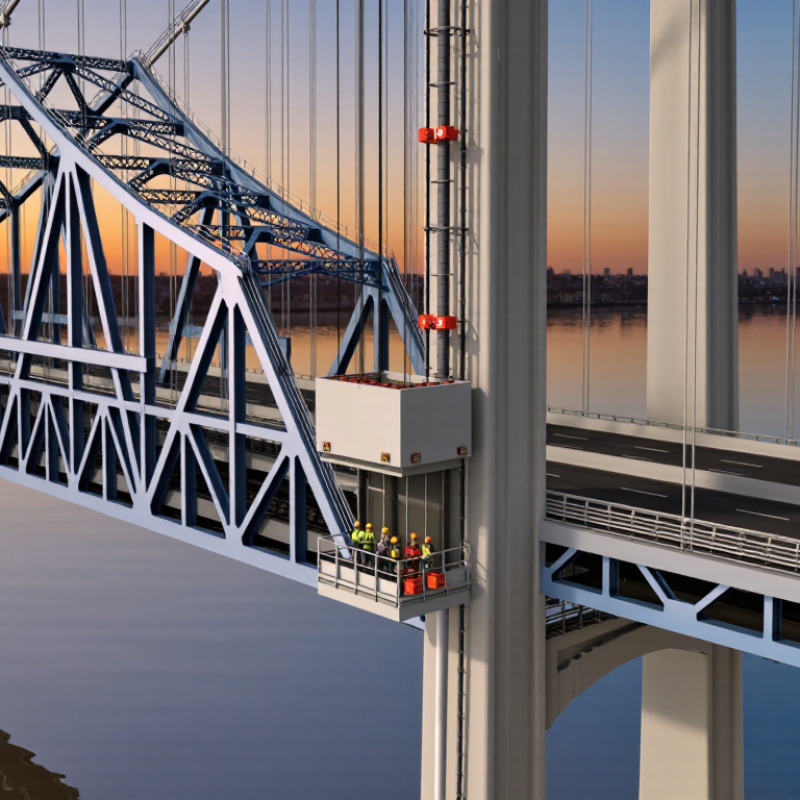
A bridge maintenance elevator is a vertical access system built into or beside a bridge. It carries inspectors, tools, and replacement parts between the deck and structural areas below. Unlike a public passenger lift, it serves controlled maintenance work in difficult locations. Its cabin may travel along a tower, shaft, or guided rail.

Inside, the space is practical rather than luxurious. A worker may find non-slip flooring, handrails, emergency lighting, ventilation, and room for a toolbox. Some systems include lifting points for heavier equipment.

Weather-resistant doors and sealed controls help protect the mechanism from rain, dust, and road spray. Capacity depends on the bridge design and the expected maintenance load.

During an inspection, the elevator can reduce climbing time and physical strain. It also gives engineers more consistent access to bearings, cables, joints, and underside beams. In my view, reliable access often improves inspection quality because teams can spend more time observing details. Yet the elevator is not a magic solution. It needs scheduled testing, brake checks, guide-rail inspection, and documented emergency procedures. A poorly maintained system can delay work instead of supporting it. This is where real planning matters. Engineers must consider wind, corrosion, power failure, rescue access, and safe communication between the cabin and control room. The best design fits the bridge, not a standard template.
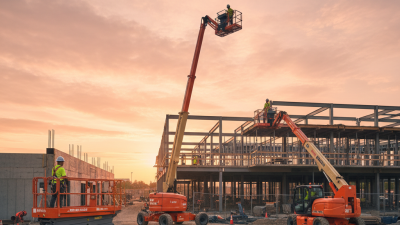

Why Bridges Need Dedicated Vertical Access

Why Is a Bridge Maintenance Elevator Essential?

Bridge maintenance depends on safe, repeatable access to difficult spaces. Dedicated vertical access is especially valuable beneath decks, inside towers, and near expansion joints. Ladders can carry people, but they handle tools poorly. A maintenance elevator moves technicians, inspection equipment, replacement parts, and emergency supplies with better control.

The need is substantial. The Federal Highway Administration’s 2024 National Bridge Inventory lists more than 620,000 bridges in the United States. About 42,000 are rated in poor condition. That figure does not mean immediate failure, but it shows how demanding long-term maintenance has become. The 2021 ASCE Infrastructure Report Card also identified more than 46,000 structurally deficient bridges in its assessment period. Access affects how quickly engineers can examine corrosion, cracked concrete, drainage failures, and damaged bearings.

Small details matter. A reliable elevator can reduce climbing fatigue and limit time spent near traffic, water, or exposed steel. It can also support planned inspections instead of delayed repairs. Yet an elevator is not a cure-all. Poor drainage, inadequate lighting, weak emergency procedures, or neglected controls can create new risks. Designers should consider load capacity, weather protection, backup communication, rescue access, and inspection frequency from the beginning. In practice, the best system is not merely convenient. It makes essential work more predictable, although every bridge still needs site-specific judgment.

How a Bridge Maintenance Elevator Operates

Why Is a Bridge Maintenance Elevator Essential?

A bridge maintenance elevator gives crews controlled access to hard-to-reach structures. It moves along fixed rails, towers, or vertical shafts beside the bridge. Depending on the design, a motor drives a platform, cage, or suspended cabin. Operators use a control panel to adjust speed and direction. Limit switches stop movement at designated points. Door interlocks prevent travel when access gates remain open. Emergency brakes and backup lowering systems provide additional protection during power loss.

Before operation, trained personnel inspect cables, rails, brakes, sensors, and landing gates. They also check wind, rain, ice, and visibility. These conditions can affect stability and stopping distances.

A useful elevator should move steadily, without sudden jolts or unusual noise. However, smooth movement does not prove that every component is safe. Small vibration may signal alignment problems, worn rollers, or loose fasteners. Maintenance records help technicians compare current behavior with earlier inspections. Manual checks still matter, because sensors can fail or miss gradual damage.

Tips:

Keep the platform within its rated load. Secure tools before movement. Use two-way communication between the operator and ground team. Stop immediately when alarms, odors, or unexpected motion appear. Review rescue procedures regularly. A short inspection delay is better than a rushed ascent. Crew feedback should also shape future checks, even when the elevator appears reliable.

Key Safety and Design Requirements

A bridge maintenance elevator is essential when inspectors must reach bearings, expansion joints, cables, or underside decks repeatedly. According to the Federal Highway Administration’s 2023 National Bridge Inventory, about 42% of U.S. bridges are at least 50 years old. Aging structures require closer inspection, but ladders and temporary platforms increase physical strain and exposure time.

Access is a control. OSHA recorded 395 fatal falls among construction workers in 2022, showing why vertical movement needs engineered protection.

A maintenance elevator should include guarded landings, interlocked gates, emergency communication, controlled descent, and independent rescue access. Its rated load must cover workers, tools, inspection equipment, and unexpected impact forces. Anti-slip flooring and clear lighting matter during rain, dust, and night repairs.

Designers should follow applicable elevator and machinery standards, such as ASME A17.1/CSA B44 or relevant regional requirements. The enclosure also needs drainage, corrosion protection, ventilation, and protection against wind-driven water. Lockout and isolation points must be visible from service positions. A drawing may satisfy a review and still feel awkward in use. Operators need space to turn with equipment, not merely enough room to stand. That detail is easy to miss. Regular testing should verify brakes, door interlocks, emergency power, alarms, and structural attachments under realistic maintenance conditions.

Maintenance Benefits, Limitations, and Applications

Why Is a Bridge Maintenance Elevator Essential?

Maintenance Benefits, Limitations, and Applications

A bridge maintenance elevator gives crews direct access to elevated decks, towers, and service galleries. It reduces climbing, carrying, and exposure to traffic or difficult weather. For routine work, that saved time can improve inspection quality. Technicians can reach bearings, expansion joints, drainage points, cables, and lighting systems with fewer interruptions. Access changes everything. A stable platform also helps workers bring calibrated tools, replacement parts, and protective equipment safely to the work area.

Its benefits have limits. An elevator needs regular checks for brakes, cables, doors, controls, and emergency lowering systems. Salt spray, vibration, dust, and temperature changes can accelerate wear. The lift may also become unusable during power loss, flooding, severe wind, or structural repairs. It must never replace a complete emergency plan. Qualified engineers should confirm capacity, travel range, landing protection, and evacuation access before operation. That matters.

Applications vary by bridge design. On a long cable-supported bridge, the elevator can support scheduled cable inspections and nighttime lighting repairs. On a smaller crossing, a compact system may serve only the underside and bearing zones. A poorly selected lift can create new maintenance costs, especially when spare components are difficult to obtain. Engineers sometimes focus on installation and underestimate long-term access. That assumption deserves review. Records of operating hours, faults, weather exposure, and repair history can reveal whether the elevator is genuinely improving maintenance productivity.