
Leave Your Message
Warehousing and logistics facilities are becoming taller, faster, and more automated. This shift makes the choice of a reliable Warehousing And Logistics Elevator supplier increasingly important. Elevators now support pallet movement, mezzanine access, maintenance routes, and safer vertical workflows. They are no longer simple building accessories.
The International Federation of Robotics reported 541,302 industrial robots installed worldwide in 2023, showing strong global investment in automated operations. MHI’s 2024 Annual Industry Report also identifies robotics and automation as major supply-chain investment priorities. These findings do not measure elevator demand directly. However, they reveal the operating environment that suppliers must serve. A modern distribution center may require heavy-load lifts, high cycling capacity, precise door control, and integration with warehouse management systems.
Performance matters. So does evidence.
This guide examines leading suppliers through practical criteria, including load capacity, travel speed, safety design, energy efficiency, maintenance support, customization, and regional service coverage. Applicable requirements may include ISO 8100 standards, EN 81 provisions, or ASME A17.1/CSA B44, depending on the installation market. Supplier claims should still be checked against technical documents, site conditions, and independent inspections. No single global ranking is completely definitive. Product ranges, certifications, and service quality can vary between countries and projects. That limitation deserves attention. By comparing established manufacturers with specialized logistics-equipment providers, buyers can better identify solutions suited to cold storage, high-bay warehouses, manufacturing sites, and multi-level fulfillment centers.
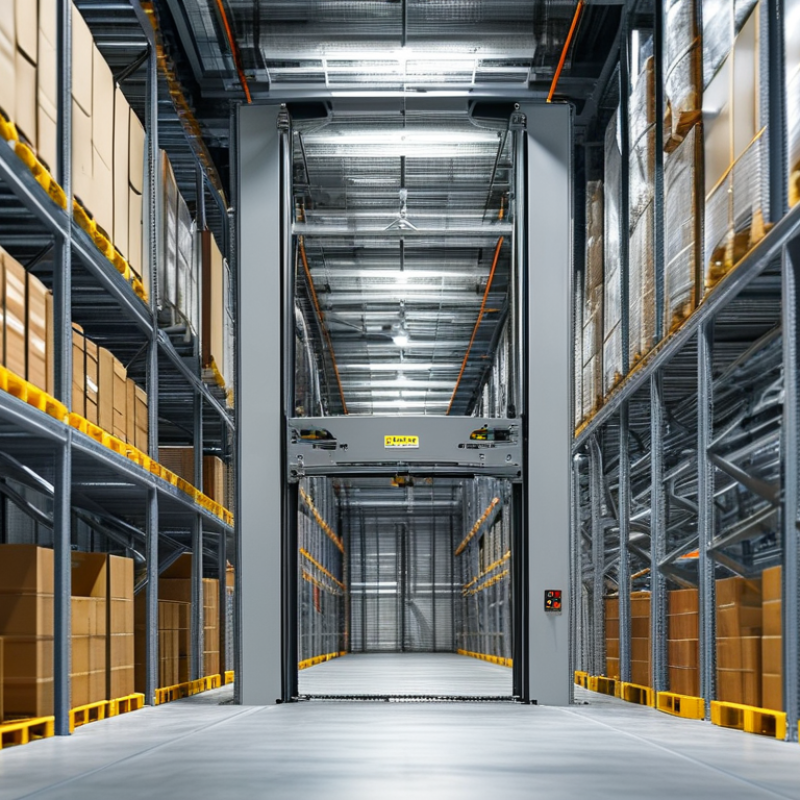
Types of Elevators Used in Warehousing and Logistics
Warehouses use different elevators for different loads, travel heights, and traffic patterns. Freight elevators move pallets, cages, and heavy cartons between floors. Their reinforced platforms, wider doors, and higher load ratings suit forklifts and pallet trucks. Vertical reciprocating conveyors, or VRCs, serve fixed points efficiently. They are useful beside packing lines, mezzanines, and picking stations. Unlike passenger elevators, many goods lifts prioritize durability over speed. That trade-off is practical.
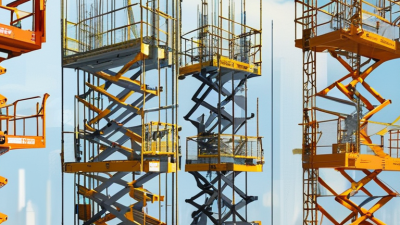
Vertical lift modules combine storage and retrieval in a compact tower. They reduce walking distances and protect inventory from dust, although poorly planned layouts can slow replenishment. Scissor lifts support loading docks and short vertical transfers. Service elevators handle people and small equipment where shared access is necessary. The 2024 MHI Annual Industry Report identifies automation and digital integration as major supply-chain investment priorities. Interact Analysis also reports continuing growth in warehouse automation, driven by labor shortages and faster order cycles. These findings support choosing elevators as part of a complete material-flow system, not as isolated equipment.
Real operating details matter. A lift serving chilled storage needs corrosion-resistant components and reliable door seals. A pallet lift near dispatch requires clear floor markings and impact protection. Rated capacity must include the pallet, load, and handling equipment. I have seen designs fail when peak-hour traffic was ignored. Noise, maintenance access, emergency procedures, and operator training deserve equal attention. Data helps, but site observation still catches uncomfortable mistakes.
| Elevator Type | Typical Rated Load | Typical Travel Speed | Primary Warehousing or Logistics Use | Common Configuration | Key Advantages | Important Design Considerations |
|---|---|---|---|---|---|---|
| Goods-Only Freight Elevator | 1,000–5,000 kg | 0.25–1.0 m/s | Moving pallets, carts, machinery, and packaged goods between warehouse floors | Large cabin, reinforced platform, automatic or manual landing doors | High load capacity, durable construction, and suitability for frequent material movement | Requires suitable shaft structure, loading protection, impact-resistant finishes, and controlled access |
| Pallet Lift | 500–3,000 kg | 0.15–0.5 m/s | Vertical transfer of palletized inventory in distribution centers and multi-level storage areas | Open or enclosed platform with pallet-guiding rails and interlocked gates | Space-efficient, practical for short vertical transfers, and compatible with pallet trucks | Platform dimensions must match pallet sizes, fork-truck access, and the available loading aisle |
| Scissor Lift Table | 300–2,000 kg | Approximately 0.05–0.15 m/s | Loading docks, order-picking stations, work-positioning areas, and small level changes | Hydraulic or electro-hydraulic platform with safety perimeter or bellows | Compact footprint, accurate positioning, and convenient ergonomic height adjustment | Not normally intended for passenger transport; pinch-point protection and safe loading are essential |
| Vertical Reciprocating Conveyor | 100–2,000 kg per carrier | 0.2–0.8 m/s | Automated movement of cartons, totes, trays, and pallets between conveyor levels | Single- or multi-level carrier integrated with powered conveyors | Supports automation, repeatable cycle operation, and efficient integration with warehouse control systems | Carrier size, transfer alignment, guarding, sensors, and control-system interfaces must be coordinated |
| Vertical Conveyor Lift | 50–1,000 kg per load | 0.3–1.5 m/s | Continuous carton, tote, and parcel transfer in sortation and fulfillment systems | Belt, roller, chain, or platform conveyor installed in a vertical frame | Fast product flow, compact vertical footprint, and good compatibility with automated handling | Product stability, throughput, accumulation control, guarding, and emergency-stop access are important |
| Platform Lift | 500–5,000 kg | 0.1–0.5 m/s | Transfer of wheeled carts, roll cages, industrial equipment, and bulky loads | Hydraulic, traction, or screw-driven platform with access gates | Flexible platform size and strong suitability for irregular or oversized loads | Requires careful floor-level accuracy, platform deflection control, and safe vehicle positioning |
| Mezzanine Goods Lift | 500–2,000 kg | 0.15–0.5 m/s | Connecting ground-level storage with mezzanine floors, platforms, and picking areas | Compact enclosed or semi-enclosed lift with landing gates | Improves use of vertical space without requiring a full-size freight shaft | Mezzanine structural capacity, fall prevention, gate interlocks, and local building requirements must be reviewed |
| Personnel and Goods Lift | 1,000–3,000 kg | 0.5–1.0 m/s | Facilities where authorized employees and materials need access to multiple warehouse levels | Enclosed cabin with controlled passenger and freight operating modes | Combines vertical personnel access with controlled material transport | Must satisfy applicable passenger-elevator, freight-elevator, fire-safety, accessibility, and inspection rules |
| Dock Lift | 1,000–5,000 kg | Approximately 0.05–0.2 m/s | Bridging height differences between truck bays, loading docks, basements, and warehouse floors | Heavy-duty hydraulic platform, often installed outdoors or in a recessed pit | Improves loading flexibility and accommodates varying vehicle or floor heights | Weather resistance, drainage, anti-slip surfaces, vehicle restraint, and edge protection are critical |
Note: Capacity and speed figures are representative ranges for industrial equipment and vary according to lift height, duty cycle, platform size, local regulations, and project design.


 Ms.Lily International Sales Director
 Join 3S Group