Top Offshore Platform Lift Manufacturers Worldwide
Offshore infrastructure is entering a more demanding growth phase. The Global Wind Energy Council’s Global Offshore Wind Report 2024 recorded more than 75 gigawatts of installed offshore wind capacity worldwide. This expansion increases demand for dependable vertical transport equipment. Offshore Platforms Lift systems now support technicians, tools, spare parts, and emergency movement between decks. Their performance matters most when salt spray, strong winds, and limited access affect daily operations.
Leading manufacturers are not judged by lifting capacity alone. Buyers examine corrosion protection, cabin dimensions, control redundancy, braking systems, energy use, and service response. They also review compliance evidence from recognized bodies, including DNV, ABS, and applicable ISO or regional lift standards. DNV’s Energy Transition Outlook highlights the growing complexity of offshore energy assets. That complexity makes lifecycle engineering more valuable than a low purchase price. A lift that stops beside a turbine nacelle can delay an entire maintenance crew.
This overview compares top offshore platform lift manufacturers through product capability, project experience, certification practice, and after-sales support. It considers manufacturers serving offshore wind, oil and gas, and marine construction. However, no global ranking is permanent. Public project data can be incomplete, and regional certification requirements differ. Some companies publish strong technical claims without comparable operating records. That deserves scrutiny. The most reliable choice combines tested equipment, documented installations, realistic maintenance planning, and trained local technicians. In offshore conditions, small design weaknesses become expensive quickly. Reliability is not a slogan. It is measured offshore.
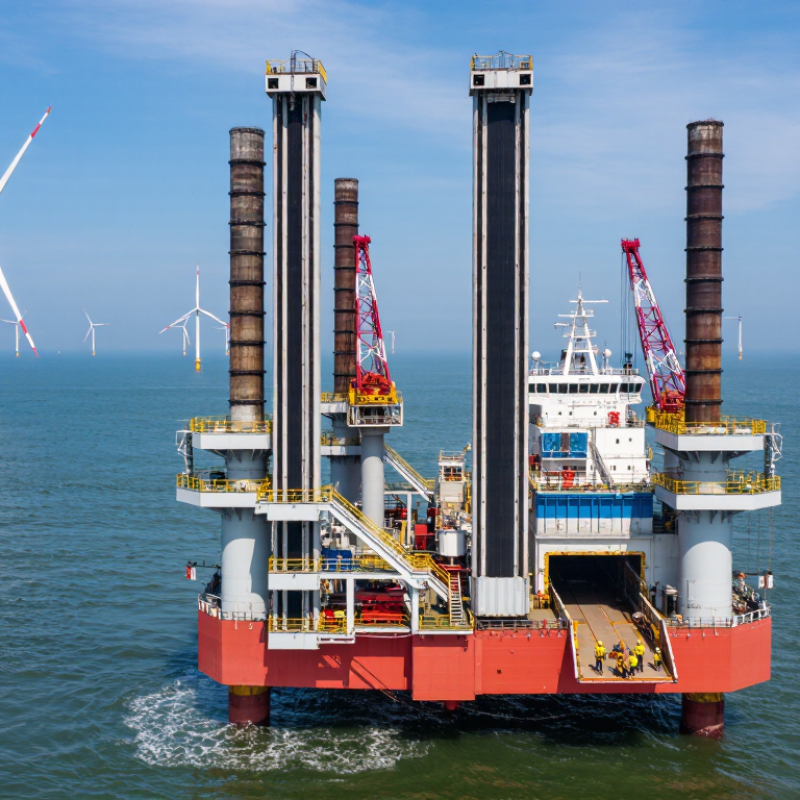
Offshore Platform Lift Types, Functions, and Typical 10–1,500 t SWL Capacities
Offshore platform lifts support personnel, tools, pipes, and heavy modules in harsh marine environments. Common types include personnel lifts, material hoists, pedestal cranes, monorail systems, and knuckle-boom cranes. Their functions differ. A personnel lift prioritizes smooth travel and emergency descent, while a crane handles suspended loads beside the platform. Some systems serve only maintenance areas. Others connect multiple deck levels.
Typical safe working load, or SWL, ranges from 10 to 1,500 tonnes. Smaller 10–50 tonne units often move equipment, baskets, and replacement parts. Medium systems may handle pumps, valves, or power modules. Heavy-lift cranes support subsea structures and major deck components. SWL is not the whole story. Outreach, sea state, lifting height, dynamic effects, and foundation strength can reduce practical capacity. A 500-tonne rating may not apply at maximum radius. That detail is easy to miss.
Tips:
Compare rated capacity with the real lifting radius and load path. Ask manufacturers for load charts, fatigue data, inspection records, and emergency procedures. Check corrosion protection around pins, ropes, brakes, and hydraulic lines. Field inspections often find small leaks before major faults appear. Operator training matters too. A technically strong lift can still perform poorly when controls are unfamiliar. Capacity labels can mislead, so verify them against current engineering calculations and site conditions.
Manufacturer Evaluation by API 2C, DNV-ST-0378, ISO 19901-6, and SWL
Top offshore platform lift manufacturers are not judged by brochure capacity alone. A serious evaluation begins with API 2C compliance and documented design control. Reviewers examine structural calculations, machinery protection, emergency systems, and factory load testing. DNV-ST-0378 adds valuable scrutiny for lifting appliance design, verification, and certification. ISO 19901-6 helps assess marine-operation assumptions, including vessel motion, lifting procedures, and offshore interfaces. These standards should connect, not sit in separate folders.
SWL must remain practical. A crane rated for 100 tonnes may lift far less at extended radius or during vessel motion. Inspectors should compare load charts with boom angle, outreach, sea state, and dynamic factors. They should also review material certificates, weld inspection records, fatigue calculations, and maintenance history. Ask how the manufacturer controls design changes after certification. Small changes matter. Field experience often exposes weak points, such as unclear alarms or inaccessible hydraulic components. No checklist is perfect. An honest evaluation records unresolved questions instead of hiding them. Reliable manufacturers provide traceable evidence, clear operating limits, and test data that matches the delivered equipment.
Hydraulic, Rack-and-Pinion, and Wire-Rope Lift Technologies Compared
Top Offshore Platform Lift Manufacturers Worldwide
Offshore lift selection starts with the platform’s motion, load, and maintenance access. Hydraulic lifts deliver strong, controlled movement under heavy loads. Their cylinders handle uneven loading well, but seals need careful inspection in salt spray. A small leak can become a serious operational concern.
Rack-and-pinion lifts use geared motors that climb fixed rails. They offer precise positioning and stable travel between deck levels. This design suits platforms requiring frequent personnel or equipment movement. Gear wear, lubrication, and alignment deserve close attention. Poor alignment creates vibration and accelerates damage. It is not always obvious.
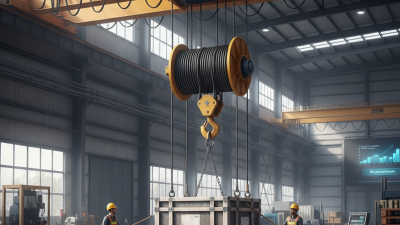
Wire-rope lifts remain practical for taller travel distances and flexible layouts. Their drums, sheaves, and ropes can support efficient vertical movement when properly engineered. However, rope fatigue demands disciplined inspection. Corrosion near sockets and hidden strand breaks may escape a rushed visual check. Load monitoring and emergency braking should be tested under realistic conditions.
Experienced manufacturers compare more than rated capacity. They review duty cycles, wind exposure, deck deflection, power availability, and evacuation requirements. Installation records, factory testing, inspection procedures, and spare-part support reveal engineering reliability. Independent certification can strengthen confidence, but paperwork cannot replace field judgment. I would also question unusually low maintenance estimates. Offshore equipment rarely stays simple. A practical evaluation should include access around the drive, drainage near hydraulic components, and safe replacement paths for ropes or gears. The best technology depends on the platform, not on a fashionable specification.
Safety Testing, Corrosion Protection, and 20-Year Offshore Service Requirements
Top Offshore Platform Lift Manufacturers Worldwide
Safety Testing, Corrosion Protection, and 20-Year Offshore Service Requirements
Offshore lifting equipment faces salt spray, heavy waves, vibration, and limited maintenance access. Experienced manufacturers begin with realistic load cases, not laboratory assumptions. Each lift system should undergo proof-load testing, functional checks, and emergency-stop verification before deployment. Independent inspectors can review welds, bolts, hydraulic circuits, and structural calculations. Non-destructive testing, including ultrasonic and magnetic-particle inspection, helps reveal hidden defects. Small cracks matter.
Corrosion protection must match the actual marine environment. A durable coating system usually combines surface preparation, primer, high-build layers, and a sealed finish. Designers should also specify corrosion allowances for exposed steel and protected drainage points. Sacrificial anodes or impressed-current systems may support submerged components. Yet paint is not permanent. Scratches around access covers often become early corrosion sites, especially after repeated handling.
A reliable manufacturer provides a documented 20-year service strategy, not only a delivery certificate. That strategy should include inspection intervals, spare-part availability, hydraulic-fluid requirements, and clear replacement limits. Fatigue analysis is essential for cranes and platform lifts operating through repeated cycles. Digital maintenance records can connect inspection photos with component histories. In practice, schedules may slip during bad weather. The design should allow safe inspection windows and simple repairs. Some projects still underestimate corrosion at bolted joints. That mistake deserves more attention.




 Ms.Lily International Sales Director
 Join 3S Group