How to Choose the Right Aerial Work Equipment
Choosing the right Aerial Work Equipment is not simply a matter of selecting the highest platform or greatest lifting capacity. The correct choice depends on the task, working height, ground conditions, access route, power source, and operator experience. Peter Douglas, a respected powered-access safety leader and former IPAF chief executive, has emphasized this principle: “Safe access begins with choosing equipment that suits the work and the environment.” That idea deserves careful attention.
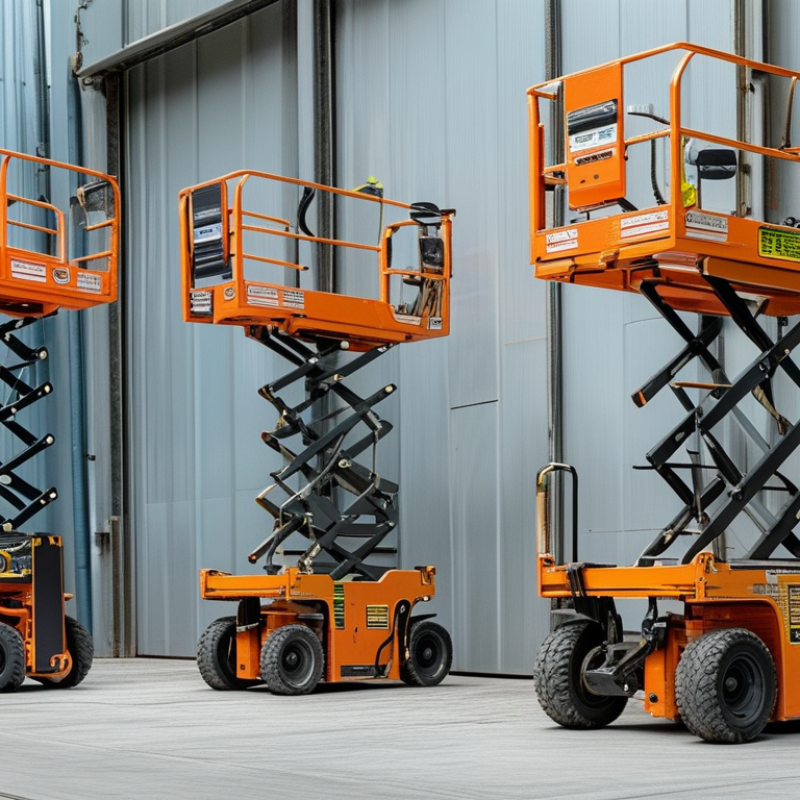
A scissor lift may provide stable vertical access on a firm warehouse floor. An articulated boom lift may be better for reaching over pipes, trees, or machinery. Rough-terrain equipment needs suitable tires, ground clearance, and verified surface capacity. Measure the doorway. Check the slope. Inspect overhead hazards.
Small details matter.
Experienced supervisors also review wind limits, platform capacity, battery endurance, emergency lowering systems, and maintenance records. A machine can appear powerful yet remain unsuitable for a narrow site. I have seen equipment choices shaped by availability rather than genuine suitability. That shortcut may save minutes, but it can create delays, awkward positioning, or unnecessary exposure to risk.
Reliable selection requires more than a product brochure. Consult trained rental specialists, follow the manufacturer’s instructions, and confirm operator competence before work begins. Document the assessment. Recheck conditions when the site changes.
There is no universal “best” machine. The best Aerial Work Equipment is the one that safely matches the real job, not the imagined one. That distinction is easy to overlook. Sometimes, the most professional decision is choosing a smaller machine, changing the work method, or postponing the task until conditions improve.
Define Work Height, Outreach, Platform Load, Terrain, and Access Limits
How to Choose the Right Aerial Work Equipment
Define the work height before comparing equipment. Work height includes platform height, operator reach, and task position. Do not treat maximum height as a daily target. A safer choice leaves operating room above the work area. IPAF’s Global Safety Report 2024 recorded 118 powered access fatalities across 20 countries in 2023. Falls and overturns remain serious risks. Height planning deserves more than a catalogue check.
Outreach must match the real working position, not an imagined one. A boom may reach over a roof edge, but its load chart changes with extension and angle. Confirm platform load, tools, materials, and personnel together. A 230-kilogram load limit can disappear quickly with two workers and equipment. Check the manufacturer’s rated capacity at the exact outreach. Small errors matter.
Terrain and access limits often decide the equipment before height does. Measure gates, doorways, floor loading, slopes, overhead obstructions, and turning space. Rough-terrain machines need suitable ground conditions, while compact units may suit finished floors. OSHA guidance requires a competent person to inspect workplace hazards before aerial-lift use. The neatest plan is not always the safest one. I still see teams measure height first and access last. That habit needs reconsideration. Record the route, verify the ground, and match the machine to the complete task, not one attractive specification.
How to Choose the Right Aerial Work Equipment
Compare representative operating ranges by work height, outreach, and platform load. Final selection should also consider terrain, ground pressure, doorway width, transport access, and site rules.
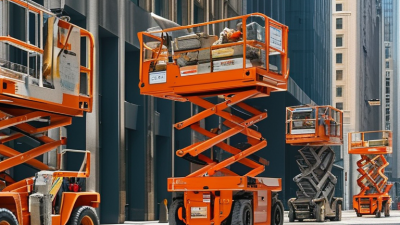
Scissor lifts are suited to vertical work on firm, level surfaces, while articulated and telescopic boom lifts provide greater outreach for obstacles and elevated access. Vertical mast lifts are useful in narrow indoor areas, and compact spider lifts can work on sensitive or uneven surfaces when properly stabilized. The values shown are representative equipment ranges, not a substitute for the specific operating manual or site assessment.
Match Lift Types to Tasks: Scissor, Boom, Vertical Mast, and Telehandler
How to Choose the Right Aerial Work Equipment
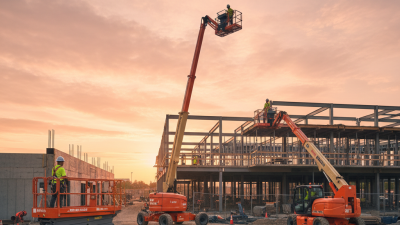
Matching the machine to the task matters more than choosing the highest platform. Scissor lifts suit level floors, vertical movement, and wider work areas. They provide a stable deck for installing lights, ducting, or ceiling panels. Boom lifts are better for reaching over obstacles, such as storage racks or building facades. Their articulated arms improve positioning, but operators must manage swing radius and ground conditions.
Vertical mast lifts work well in narrow aisles and indoor maintenance zones. They are compact, quick to position, and usually less disruptive. Telehandlers are different. Their main strength is material handling, though approved work platforms can support elevated tasks when the machine is configured correctly. The IPAF Global Safety Report 2024 recorded 118 powered access fatalities across 20 countries during 2023. That figure reinforces a practical lesson: equipment selection directly affects exposure to risk. My first instinct was sometimes to choose the machine already nearby. That shortcut can be wrong.
Tips:
Check the required height, outreach, load, floor condition, and access width before arrival. Confirm operator training and daily inspections. OSHA identifies falls as a leading cause of construction deaths, so use guardrails, harness systems, and site-specific controls where required. Read the manufacturer’s instructions, even for familiar equipment. Familiarity is not proof of safe judgment. Review the lift plan when weather, ground conditions, or the task changes.
Verify Rated Capacity, Platform Dimensions, and the 12.5 m/s Wind Benchmark
Choosing the right aerial work equipment starts with the load, not the maximum height.
Check the rated capacity plate before anyone enters the platform. Include workers, tools, materials, and sudden movement in the calculation. A 200-kilogram allowance can disappear quickly when two workers carry equipment. Never treat the published rating as a comfortable target. It is a limit.
Platform dimensions also affect real work.
Measure doorway widths, aisle clearances, and turning space on site. A narrow platform may improve access but force awkward reaching. An oversized platform can contact structures while the machine is moving. I once saw a team focus on height and overlook a low overhead pipe. That mistake changed the setup, and it deserved a better pre-start check.
Wind demands equal attention, especially outdoors.
Use 12.5 m/s as a critical benchmark when the equipment documentation specifies it. That speed is about 45 km/h, and gusts can arrive without warning. Measure conditions near platform height with a calibrated anemometer, not by judging flags or tree movement. The benchmark is not universal. Some equipment has a lower limit, while indoor-rated units may allow no wind at all. Stop work when readings approach the limit, and account for buildings that create turbulence. I would not rely on a single reading; repeated checks are safer, though slower.
Check OSHA 29 CFR 1926.453, ANSI A92, and EN 280 Compliance Requirements
Choosing aerial work equipment starts with compliance, not platform height.
OSHA 29 CFR 1926.453 requires guarded platforms, functional controls, rated-load compliance, and trained operators. It also restricts using aerial lifts as cranes or ladders. Workers must use appropriate fall protection and attach lanyards to approved anchor points.
OSHA reported 1,069 construction fatalities in 2022, including 395 fatal falls to lower levels, according to Bureau of Labor Statistics data.
ANSI A92
adds practical expectations for equipment selection, inspection, maintenance, training, and safe operating procedures. Review the machine’s manual, terrain, travel route, overhead obstructions, and emergency descent system.
A narrow slab may look stable but still fail under an elevated load. Check wind exposure too. Small oversights matter.
For work supplied into European markets, EN 280 addresses mobile elevating work platform design, stability, controls, guarding, and testing. Confirm the exact edition and conformity documentation.
Do not treat an EN 280 certificate as automatic OSHA compliance. They are different systems.
The 2024 Global MEWP Safety Report also shows that falls, entrapment, and overturns remain recurring incident categories across reported operations. A competent person should compare the standard, site conditions, and operator capability before rental or purchase.
Paperwork helps, but it can still miss a blocked emergency exit or a damaged tire. That deserves a second look.
Compare Mobility, Power Source, Rental Cost, Maintenance, and Total Ownership Cost
How to Choose the Right Aerial Work Equipment
Choosing the right aerial work equipment starts with the worksite, not the catalog. I have seen crews lose hours moving a machine that looked powerful on paper. Measure aisle widths, ground firmness, doorway height, and working height before comparing prices. Compact units suit indoor floors and tight turns. Rough-terrain equipment offers reach, but its size can complicate transport. Mobility affects labor, delivery, and daily productivity.
Power source also changes the operating experience. Battery-powered equipment reduces noise and exhaust, making it practical for indoor projects. However, charging time can interrupt a busy shift. Fuel-powered equipment usually supports longer outdoor work, but fuel storage and ventilation require careful planning. Rental cost should include delivery, operator training, insurance, and possible overtime charges. A low daily rate can become expensive quickly. Read the rental agreement closely.
Maintenance is easy to underestimate. Inspect tires, controls, emergency systems, batteries, and hydraulic components before use. Ask who handles repairs and how quickly replacement equipment is available. For long-term projects, calculate total ownership cost, including purchase price, servicing, storage, depreciation, energy, and resale value. A spreadsheet helps, although it may still miss weather delays and unexpected damage. I once focused too heavily on the hourly rate and ignored transport distance. That mistake changed the final budget more than expected. Good equipment choices require practical measurements, honest assumptions, and regular cost reviews.



 Ms.Lily International Sales Director
 Join 3S Group