Leave Your Message

How to Choose Personnel Fall Protection in 2026?

As 2026 planning begins, choosing Personnel Fall Protection requires more than purchasing harnesses and lanyards. Worksites change daily. Roof edges, fragile surfaces, mobile platforms, and maintenance zones create different exposure patterns. A system that protects a steelworker may restrict a technician climbing a ladder. The wrong choice can feel secure while leaving dangerous gaps.

The U.S. Bureau of Labor Statistics reported 885 fatal occupational injuries involving slips, trips, and falls in 2023. OSHA also recorded 395 construction fatalities from falls, slips, and trips in 2022. Falls remained the leading cause of construction deaths that year. These figures show why equipment selection must follow a documented hazard assessment, not a sales brochure. NIOSH guidance supports the hierarchy of controls, prioritizing elimination and prevention before relying on personal equipment.

Fit matters. A harness should sit firmly across the chest and thighs, without twisted webbing. Anchorage points must match the structure, expected load, and clearance below. Rescue planning matters too. A suspended worker cannot simply wait for emergency services. Time, access, communication, and trained rescuers must be considered.

Relevant frameworks, including OSHA requirements and ANSI/ASSP Z359 standards, provide useful technical direction. They do not replace competent site judgment. No checklist is perfect. Workers may forget inspections, weather may change, and a familiar routine may hide new risks. This guide examines practical selection criteria, product limitations, training needs, and inspection habits. It aims to support safer decisions with evidence, field awareness, and honest reflection.

How to Choose Personnel Fall Protection in 2026?

Understanding Personnel Fall Protection and Its Purpose

Personnel fall protection is designed to prevent a worker from reaching a dangerous edge or falling from an elevated surface. Its purpose is practical: protect people while they install, inspect, repair, or move materials above ground level.

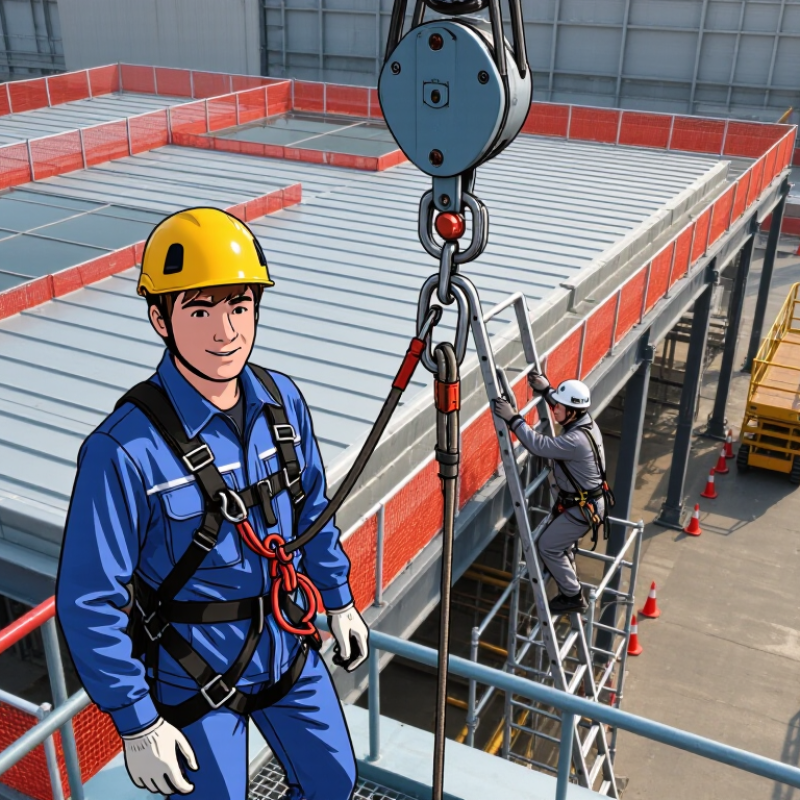
Effective protection begins with identifying hazards. Look for roof edges, floor openings, fragile surfaces, ladders, and changing work areas. A trained person should evaluate the height, task, anchor strength, clearance, and possible swing paths. Guardrails can separate workers from edges. Personal systems may include a full-body harness, connectors, and suitable anchor points. Each component must work as one system.

Fit matters greatly.

A loose harness can shift during a fall. An unsuitable anchor may fail under force. Before work starts, inspect webbing, stitching, connectors, labels, and attachment points. Remove damaged equipment from service. Workers also need practical training, not only a short video. They should practice adjusting the harness, recognizing clearance limits, and responding after a fall. Suspension can become dangerous quickly, so a realistic rescue plan must be available and understood.

In site assessments, I have found that rushed inspections cause many preventable mistakes. Teams sometimes focus on equipment but overlook roof access or falling tools. That is an imperfect approach. Conditions change during the day, so protection requires repeated checks and honest reporting. A system that looks correct on paper may feel awkward, restrict movement, or fail to suit the actual task. Worker feedback should influence the final selection.

Identifying Workplace Hazards and Fall Protection Requirements

How to Choose Personnel Fall Protection in 2026?

Identifying Workplace Hazards and Fall Protection Requirements

Effective fall protection begins with a close look at the work area, not a product catalog. Walk the route workers actually use. Check roof edges, open platforms, ladders, fragile surfaces, floor openings, and moving equipment. A wet mezzanine beside a loading bay may create more risk than a higher, dry platform.

Ask how often workers approach each hazard, how long they stay there, and whether tools can fall. Consider weather, poor lighting, changing work surfaces, and rescue access. These details often expose risks that a basic checklist misses. Sometimes, the safest choice is removing the task from height.

Use the control hierarchy carefully. Guardrails and properly designed work platforms usually protect more people than personal equipment. Travel restraint can stop a worker from reaching an edge. Fall arrest may be necessary when other controls cannot remove the exposure. A competent person should verify anchor locations, structural strength, clearance, swing-fall risks, and rescue procedures. Equipment must match the worker, task, and environment.

Requirements differ by location and industry. Review current occupational safety rules, site procedures, and manufacturer instructions before selecting equipment. Inspect systems before each use. Train workers through practical exercises, including suspension relief and emergency communication. A worker who cannot connect equipment correctly is not protected, even when the equipment is technically suitable. This is where many plans fail. Recheck the assessment after layout changes, near misses, or severe weather.

Comparing Personal Fall Protection Systems and Equipment

How to Choose Personnel Fall Protection in 2026?

Choosing personal fall protection starts with comparing systems, not shopping for individual equipment. A restraint system prevents workers from reaching an exposed edge. A positioning system supports controlled work on poles, walls, or steep surfaces. A fall arrest system allows a fall but limits impact forces and stopping distance. That distinction matters.

During a roof inspection, the practical difference becomes obvious. A short restraint line may keep a technician away from a fragile edge. It cannot replace a fall arrest setup where movement is unavoidable. Fall arrest equipment commonly includes a full-body harness, energy-absorbing lanyard or self-retracting lifeline, compatible connectors, and a rated anchor. Every part must work together. A strong anchor cannot correct an incorrectly fitted harness.

Fit and clearance deserve careful attention. A worker standing below an anchor may need more stopping distance than expected. Add the lanyard length, deceleration distance, harness stretch, and body height. Nearby beams, platforms, and lower levels can become collision hazards. On some sites, a self-retracting lifeline improves mobility, but it may increase cost and require controlled storage. Convenience is not proof of safety.

Inspection should include webbing, stitching, buckles, labels, connectors, and corrosion. Remove damaged equipment from service. Training should cover donning, adjustment, anchor selection, and rescue actions. Rescue planning is often treated as paperwork, yet a suspended worker can deteriorate quickly. I still see teams choose equipment before measuring the actual work area. That habit deserves reconsideration.

Selecting Compatible, Certified, and Properly Fitting Equipment

How to Choose Personnel Fall Protection in 2026?

Selecting Compatible, Certified, and Properly Fitting Equipment

Fall protection selection should begin with the task, not the catalog. A roof edge, lift platform, and confined access point create different fall paths. According to OSHA’s FY 2024 enforcement report, fall protection violations remained the agency’s most frequent citation, with 6,725 cases. That number suggests a practical problem: compliant equipment may still be poorly selected or incorrectly used. Choose components designed to work together, including harnesses, connectors, anchors, and rescue systems. Verify applicable ANSI/ASSP Z359 requirements and documented inspection records.

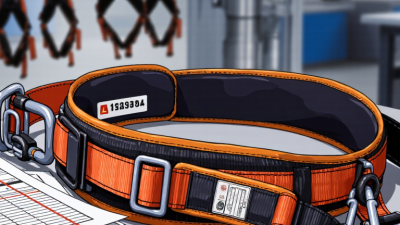
Fit is not a minor detail. Leg straps should sit snugly, the chest strap should remain correctly positioned, and the dorsal connection should support the intended system. A loose harness can shift during a fall. A tight one can restrict movement and encourage unsafe adjustment. OSHA requires employers to provide training, but workers also need hands-on practice with the exact equipment used onsite. Check labels, weight ranges, clearance calculations, and compatibility before every shift. Small details matter.

Tips: Have a competent person inspect equipment before use. Remove damaged gear from service immediately. Practice rescue procedures, not only fall arrest. OSHA’s report shows enforcement pressure, but prevention depends on daily behavior. I have seen teams focus on certification while ignoring fit. That is a useful warning. Certified equipment is not automatically suitable equipment. Recheck your assumptions when the worker, task, anchor, or weather changes.

How to Choose Personnel Fall Protection in 2026?

Selecting Compatible, Certified, and Properly Fitting Equipment

U.S. OSHA fall-protection rules commonly specify a minimum strength of 5,000 lbf (22.2 kN) per employee for anchorage points, snap hooks and D-rings, and vertical lifelines. These values are strength requirements, not proof that components are interchangeable.

Before use, confirm that every component is certified for the intended application, compatible with connected equipment, inspected according to the applicable standard, and correctly fitted to the user. Always verify fall clearance, rescue planning, and local regulatory requirements.

Establishing Training, Inspection, Rescue, and Maintenance Procedures

How to Choose Personnel Fall Protection in 2026?

Effective fall protection starts with a written procedure, not equipment selection alone. The U.S. Bureau of Labor Statistics recorded 844 fatal falls, slips, and trips in 2023. That figure shows why hazard assessments must examine edges, openings, fragile surfaces, ladders, and rescue access. Select systems according to the task, clearance, swing-fall exposure, anchorage strength, and worker fit. A harness that shifts during climbing is not a minor inconvenience. It can change suspension posture and complicate rescue.

Training should include hands-on fitting, connecting, moving near edges, and recognizing damaged components. Keep attendance records and repeat training after changes, incidents, or observed unsafe behavior. The ANSI/ASSP Z359.2 standard recommends a managed fall protection program with defined responsibilities, inspections, training, and rescue planning. Pre-use inspections should check webbing, stitching, labels, hardware, connectors, and energy absorbers. A competent person should complete documented periodic inspections. Short records are better than perfect intentions.

Rescue needs real practice. OSHA reported that falls caused 395 construction fatalities in 2022, representing about 37% of construction deaths. A suspended worker may deteriorate quickly, so the plan should identify trained rescuers, communication methods, access routes, and medical response. Do not rely only on emergency services. Test the procedure with realistic access limits and poor weather. Our weak point is often inspection consistency. A clean checklist cannot prove a rushed inspection was meaningful. Review near misses, replace questionable components, and revise the procedure when field conditions expose its gaps.

How to Choose Personnel Fall Protection in 2026? - Establishing Training, Inspection, Rescue, and Maintenance Procedures

Program Area Control Objective Required Procedure Minimum Frequency Responsible Person Evidence and Records
Hazard Assessment Identify fall hazards before selecting equipment. Review work height, unprotected edges, roof openings, fragile surfaces, falling-object hazards, access routes, weather, swing-fall exposure, and possible rescue locations. Prefer elimination or collective protection before personal equipment. Before each new task, location, or significant change Competent person or designated risk assessor Written risk assessment, site drawing, control-selection record
Equipment Selection Match the system to the task and the user. Select compatible components approved for the intended application: full-body harness, connector, anchor, lifeline, or self-retracting device. Verify user size, maximum permitted load, attachment point, sharp-edge suitability, environmental resistance, and applicable legal requirements. During planning and whenever conditions change Qualified person with procurement approval Equipment register, user assignment, compatibility review, instructions for use
Pre-Use Inspection Detect damage or conditions that could reduce protection. Inspect webbing, stitching, hardware, labels, buckles, connectors, energy absorbers, lifelines, housings, anchors, and signs of cuts, burns, corrosion, deformation, contamination, unauthorized alteration, or deployment. Confirm the equipment is correctly assembled and fits the user. Before every use and after relocation or unusual exposure Trained user; competent person for technical concerns Pre-use checklist or digital inspection log
Detailed Inspection Provide a documented review beyond the user’s visual check. Examine all components against the manufacturer’s instructions and the organization’s inspection criteria. Confirm identification, service history, storage condition, inspection status, and compatibility. Remove equipment from service when its condition or history is uncertain. At the interval required by applicable rules and instructions; commonly at least annually for formal review Competent or technically qualified inspector Signed inspection report, status tag, corrective-action record
Training and Authorization Ensure users can recognize hazards and use systems correctly. Cover fall hazards, hierarchy of controls, equipment limitations, fitting and adjustment, anchor selection, connection methods, swing-fall prevention, clearance, storage, inspection, emergency communication, and hands-on practice. Authorize only users who demonstrate competence. Before assignment; refresher after changes, incidents, observed deficiencies, or extended non-use Qualified trainer or competent instructor Training attendance, assessment results, authorization list
Anchor and Connection Control Prevent connection failure and unsafe loading. Use only designated or verified anchors. Confirm structural suitability, compatible connectors, gate closure, orientation, edge clearance, and the planned fall path. Do not connect to unsuitable piping, handrails, temporary structures, or unverified points. Before each setup and after any site change Competent person; qualified person for design or structural verification Anchor register, installation record, site verification checklist
Clearance and Swing-Fall Review Prevent contact with a lower level or nearby obstruction. Calculate required clearance using the complete system: free-fall distance, energy-absorber or device deployment, harness and worker movement, connector length, safety margin, and any lower-level hazards. Keep the anchor as high as practicable and minimize horizontal travel. Before each task and whenever the anchor or work position changes Competent or qualified person Clearance calculation, anchor-position diagram, work-plan approval
Rescue Planning Limit suspension exposure and enable prompt recovery. Prepare a site-specific rescue plan before work begins. Define alarm methods, rescue equipment, access routes, trained rescuers, roles, medical response, alternative methods, and procedures for difficult conditions. Do not rely solely on public emergency services when delays could create additional risk. Before each job; review after site or crew changes Site supervisor with competent rescue coordinator Rescue plan, contact list, drill record, equipment checklist
Emergency Drill Verify that the written rescue plan works in practice. Conduct a controlled drill covering communication, access, equipment deployment, casualty handling, exclusion zones, first aid, and post-rescue transfer. Stop the drill if conditions become unsafe and record lessons learned. At a risk-based interval and whenever the rescue method changes Emergency coordinator and trained rescue team Drill evaluation, attendance, corrective-action tracker
Equipment Removal Prevent reuse of compromised equipment. Immediately label and quarantine equipment involved in a fall, showing damage, exposed to harmful chemicals or heat, missing identification, failing inspection, or having an unknown history. A fall-arrest component should not return to service unless accepted by the responsible technical authority under applicable instructions. Immediately after an event or defect is found Any user for initial removal; competent person for disposition Quarantine tag, incident report, repair or disposal decision
Cleaning and Maintenance Preserve material strength and reliable operation. Clean and dry equipment according to its instructions. Keep webbing, connectors, and mechanical devices away from unnecessary abrasion, moisture, direct sunlight, chemicals, excessive heat, and unauthorized modifications. Use only approved repair or replacement procedures. After contamination or wet use; as indicated by inspection findings Trained user for basic care; authorized service personnel for repairs Cleaning log, maintenance record, replacement-parts record
Storage and Transport Prevent damage while equipment is not in use. Store clean, dry equipment in a ventilated location protected from sunlight, chemicals, sharp objects, crushing, unauthorized access, and extreme temperatures. Keep components organized and prevent heavy objects from deforming them during transport. Continuous control; verify during each detailed inspection Equipment custodian or site supervisor Storage-area checklist, inventory record, condition reports
Program Review Measure whether the system remains effective. Review inspection findings, near misses, incidents, rescue drills, training performance, equipment failures, changes in work methods, and applicable legal requirements. Update procedures and retrain affected personnel when controls are revised. At least annually and after a serious event or major process change Program manager with management and safety representatives Annual review report, action plan, revised procedures
Implementation note: Apply the legal requirements in the work location and the current instructions supplied with each item of equipment. Where requirements differ, use the more protective control unless a qualified person documents another technically justified approach.