I can write the introduction, but no source articles or verified expert quotation were provided. To follow E-E-A-T and avoid inventing an expert or misattributing a quote, please share the article or the expert’s name and verified statement.
What Is the Best Electric Wire Rope Hoist in 2026?
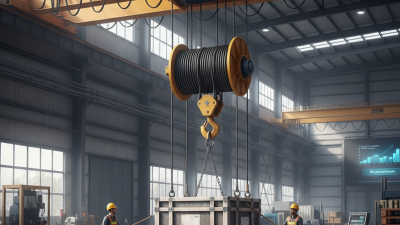
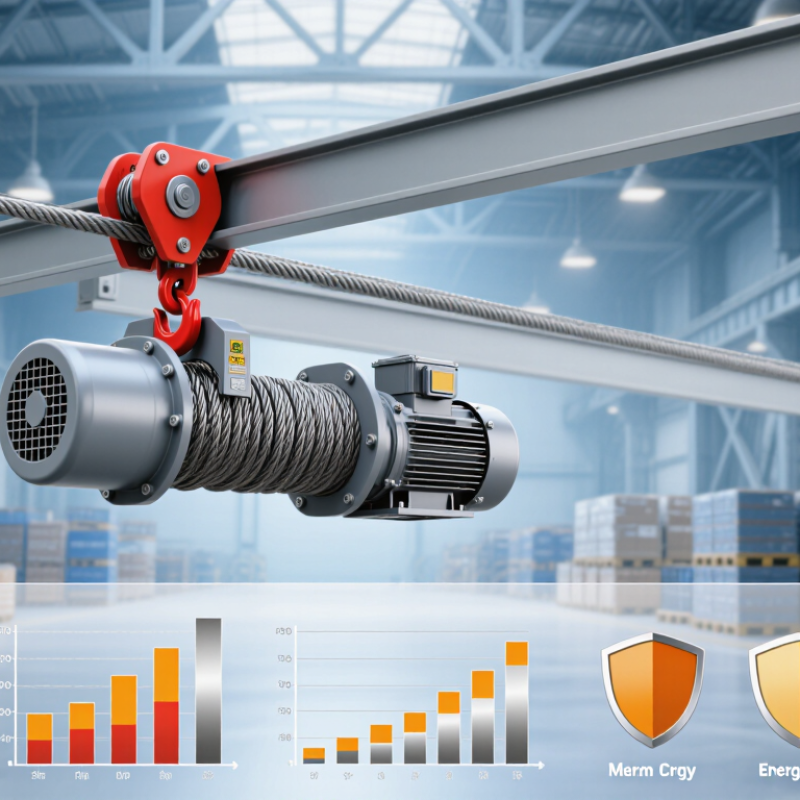
An electric wire rope hoist is a powered lifting machine for moving heavy loads vertically. It uses an electric motor, gearbox, drum, wire rope, sheaves, hook, and brake. When the motor turns the drum, the rope winds or unwinds smoothly. The hook then raises or lowers the attached load.
A hoist may work alone or travel along a bridge crane, monorail, or trolley. Its real performance depends on load capacity, lifting height, lifting speed, duty cycle, and available headroom. The best choice is not always the fastest model. A workshop lifting steel parts needs different protection than a warehouse handling packaged goods. Dust, moisture, heat, and repeated starts can change the required specification. Small details matter. An underrated brake or poorly matched rope can create serious operating risks.
Tips: Check the load weight before every lift. Keep the rope aligned with the drum. Do not pull sideways with the hook. Inspect for broken wires, crushed sections, unusual noise, and brake delay. Follow the manufacturer’s manual and applicable local safety requirements. A qualified person should complete scheduled inspections and maintenance. I may sound cautious, but selection is often rushed. That is where mistakes begin. A clear load chart and accurate duty estimate usually help more than a promising speed figure.
| Dimension | What It Means | What to Check When Choosing a Hoist |
|---|---|---|
| Basic definition | An electric wire rope hoist is a powered lifting device that raises and lowers a load using a steel wire rope wound around a grooved drum. | Confirm that the hoist is designed for the intended lifting arrangement and workplace conditions. |
| Main components | Typical components include an electric motor, gearbox, rope drum, wire rope, sheaves, hook or lifting attachment, and a braking system. A trolley may be fitted to move the hoist horizontally along a beam. | Check the condition, inspection access, and compatibility of the rope, hook, brake, and any trolley or supporting structure. |
| Rated capacity | The rated capacity is the maximum load specified by the manufacturer for the hoist’s stated configuration. It is not determined by the hoist’s appearance or motor size alone. | Select a rated capacity that covers the heaviest planned load, including lifting attachments. Never exceed the marked working load limit. |
| Rope reeving | Reeving describes how the wire rope passes between the drum and the load block. A multi-part reeving arrangement uses multiple supporting rope parts at the hook block. | Compare the required lifting capacity and hook travel with the hoist’s specified reeving. Rope arrangement affects lifting speed and other operating characteristics. |
| Lift height | Lift height is the vertical travel available to the hook or lifting point. It depends on the hoist design and the amount of rope provided. | Measure the required hook travel, including the clearance needed above and below the load. |
| Lifting speed | Hoists may offer a single lifting speed or multiple speeds. The available speeds are model-specific and are stated in the manufacturer’s technical data. | Choose a speed suited to the work: controlled positioning may call for a slower or variable-speed option, while repetitive lifts may benefit from faster travel. |
| Duty and usage | Duty suitability depends on factors such as operating frequency, load spectrum, operating time, and the number of lifting cycles. A hoist intended for occasional use may not suit intensive production work. | Describe the expected work pattern to the supplier and verify the hoist’s declared classification and operating limits against that duty. |
| Power and controls | Electric hoists require a compatible electrical supply and a control system, such as a pendant or remote control. Voltage, phase, frequency, and control arrangements vary by installation and model. | Match the hoist to the site supply and control requirements; have electrical installation and connections handled by qualified personnel. |
| Mounting and travel | A hoist can be installed in a fixed position or paired with a compatible trolley for travel along a beam. The supporting structure must be suitable for the imposed loads. | Verify beam compatibility, clearances, end stops, and structural capacity before installation. A trolley does not increase the hoist’s rated lifting capacity. |
| Safety features | Equipment may include features such as a load brake, upper or lower travel limits, and overload protection, depending on its design and specification. | Confirm which safety devices are fitted, how they work, and what inspection and testing are required. Do not rely on a safety device to justify overloading. |
| Maintenance and inspection | Wire rope, hooks, brakes, controls, and other components require inspection and maintenance in accordance with the manufacturer’s instructions and applicable local rules. | Consider service access, spare-part availability, inspection requirements, and the availability of qualified technicians over the equipment’s working life. |
Selection principle: The best electric wire rope hoist is the one correctly matched to the load, lift height, duty, power supply, mounting arrangement, and applicable safety requirements. Confirm final specifications with the manufacturer or a qualified lifting-equipment professional.
An electric wire rope hoist lifts loads by converting electrical energy into controlled mechanical movement. Power reaches the motor through a pendant, remote control, or fixed control panel. The motor turns a gearbox, which increases torque and rotates the rope drum. Steel wire rope winds around the drum and moves the lower hook upward.
The lifting path is simple, but each part matters. A grooved drum helps prevent uneven rope layers. Sheaves guide the rope through the trolley and reduce bending stress. A mechanical brake holds the suspended load when power stops. Upper and lower limit switches control travel. Overload protection can interrupt lifting when the force exceeds the rated capacity. It is not a substitute for inspection.
During practical checks, technicians look for crushed rope strands, unusual gearbox noise, and brake delay. A small metallic scrape can signal alignment trouble. The control pendant should respond without sticking. These details often matter more than impressive specifications. In 2026, variable-speed drives and condition monitoring can improve positioning and maintenance planning. Still, sensors may provide incomplete warnings. Dust, heat, poor installation, or an incorrect rope angle can defeat good electronics. The best electric wire rope hoist matches the load, lift height, duty cycle, environment, and available power, rather than simply offering the highest capacity.
Estimated motor power required to lift different loads at 8 m/min
An electric wire rope hoist uses an electric motor, gearbox, drum, and wire rope system to convert electrical energy into lifting force. This chart uses the standard lifting-power relationship P = mgh/t, assuming a lifting speed of 8 m/min and 80% overall mechanical efficiency. Actual hoist selection should also consider duty class, lifting height, reeving arrangement, brake capacity, load frequency, and required safety factors.
A high-performing electric wire rope hoist should match its rated capacity to the load, lift height, and duty cycle it will actually face. Check lifting speed, braking behavior, rope spooling, and thermal protection—not just the headline capacity. A smooth start matters when positioning a steel plate above a workbench. So does a brake that holds reliably after repeated lifts. Small details. They affect daily work.
Controls and monitoring also shape performance. Variable-speed lifting can help operators place loads with less swing, while overload protection can reduce misuse. The 2024 MHI Annual Industry Report found that 55% of surveyed organizations planned to increase investment in supply-chain technology over the following two years. That finding is not hoist-specific, but it reflects growing interest in connected equipment and automation. For a hoist, useful monitoring might track operating hours, overload events, or temperature changes. More data is not automatically better; alarms that crews ignore add little value.
Durability depends on real operating conditions: dust, moisture, frequent starts, and the quality of routine inspections. Review the manufacturer’s duty classification and maintenance instructions, then compare them with the expected workload. A compact hoist may fit a crowded bay, yet leave too little service access. That trade-off is easy to miss. In practice, the best choice is the unit whose capacity, controls, protection, and serviceability suit the site—not simply the one with the fastest lift speed.
What Is the Best Electric Wire Rope Hoist in 2026?
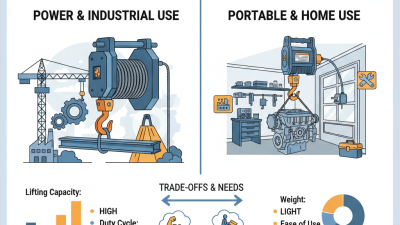
Comparing Hoist Types for Different Applications
The best hoist depends on load, lift height, duty cycle, and available headroom. Electric wire rope hoists suit factories, warehouses, and construction sites requiring high lifts and frequent movement. Their grooved drums support longer lifts than most electric chain hoists. They also handle heavier loads more smoothly.
Electric chain hoists remain practical for workshops, maintenance bays, and lighter production tasks. They usually need less installation space and can cost less initially. However, chain storage becomes less convenient at greater lifting heights. A fixed hoist works well beneath one runway position. A monorail hoist serves repeatable routes. A double-girder crane offers stronger support for heavier loads and wider spans.
Market data supports steady demand. Grand View Research estimated the global overhead crane market at about 4.25 billion dollars in 2023, with growth expected through 2030. That forecast is useful, but it does not select equipment for your facility. Site conditions still matter more. OSHA 1910.179 and ASME B30.16 emphasize rated capacity, inspection, controls, and safe operating procedures.
Tips: Measure the lowest obstruction first. Compare duty classifications, not only lifting capacity. Check brake behavior under repeated cycles. A hoist rated for ten tonnes may still fail your process needs. I would also test pendant reach and operator visibility before purchase. Small details often decide productivity. My initial choice may be wrong without real cycle data. Record actual lifts for one week, then reassess.
The best electric wire rope hoist is not always the strongest model. It is the one that matches your load, lifting height, work cycle, and site conditions. Start with the heaviest real load, not an occasional estimate. A 3-ton load may need a 5-ton rated hoist when lifting fixtures, slings, and containers together. Confirm the required safety margin with a qualified engineer.
Check the lifting height and available headroom carefully. A low-clearance workshop may need a short-headroom design. A warehouse with a 12-meter lift may require longer rope and suitable reeving. Inspect the duty rating too. Occasional lifting differs greatly from repeated loading every few minutes. Motors, brakes, controls, and gearboxes must tolerate the planned cycle without overheating.
The working environment also changes the choice. Dust, moisture, heat, and outdoor exposure can affect electrical components and rope life. Choose accessible emergency controls, overload protection, upper-limit protection, and clear load indicators. Verify that the hoist supports local regulations and required inspection procedures. Maintenance access matters more than many buyers expect. A difficult brake inspection can delay repairs and increase risk. Do not ignore noise, vibration, or uneven rope winding during testing. These signs may reveal alignment problems. I would also question any specification sheet that hides test conditions. The “best” hoist still needs trained operators, scheduled inspections, and a lifting plan suited to the actual site.