
Leave Your Message
For global buyers, Climbing Work equipment must support safety, movement, and disciplined decision-making. In 2026, purchasing teams are looking beyond basic harnesses and ropes. They are assessing complete systems, including helmets, energy-absorbing lanyards, descenders, ascenders, rescue kits, and equipment bags. Every component matters. A poorly fitted harness can create pressure points during a long tower inspection. A worn connector may look acceptable but fail a careful inspection.
This guide examines practical equipment choices through an experienced, evidence-based lens. It considers material quality, ergonomic design, traceability, inspection records, and compatibility between components. Buyers should also review current requirements from recognized safety authorities and verify local workplace rules before ordering. Product claims need supporting documentation, not attractive photographs alone. Manufacturer instructions, testing information, batch records, and replacement guidance can reveal much about reliability. They also expose gaps.
Real working conditions deserve attention. Rain, dust, sharp edges, cold temperatures, and repeated storage can change equipment performance. A lightweight helmet may improve comfort, yet ventilation and impact protection still require close review. A compact rope device may save space, but unfamiliar operation can increase training demands. Some choices remain uncomfortable. The cheapest option is not always the most economical, and the newest design is not automatically the safest. This article helps international buyers compare equipment with clearer judgment, practical detail, and appropriate caution. It encourages documented inspections, competent training, and periodic reassessment after every demanding task. Safety is never finished.
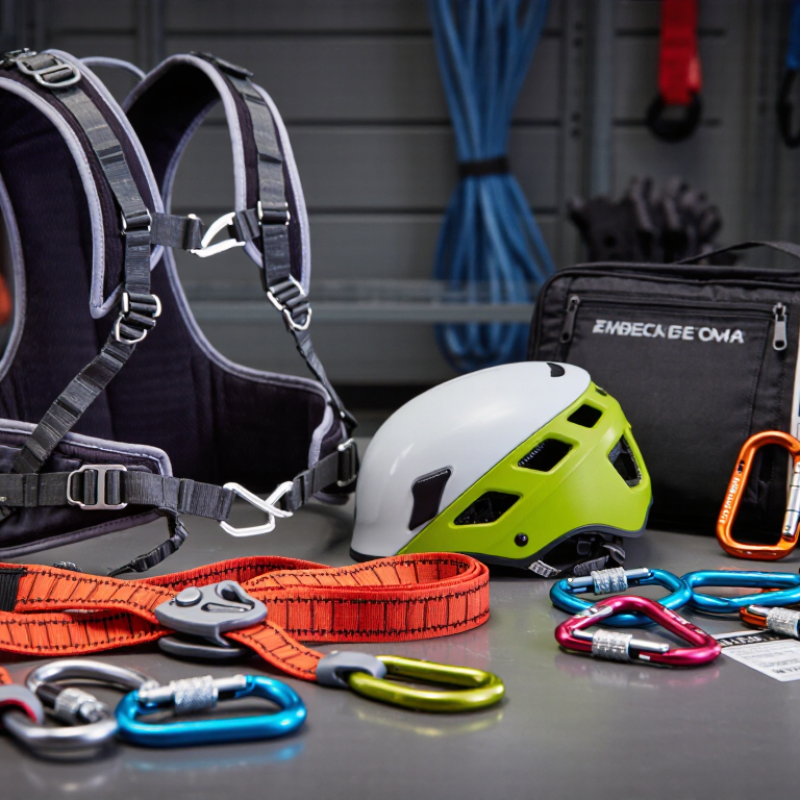
2026 Top Climbing Work Equipment for Global Buyers
What Climbing Work Equipment Includes and Why It Matters in 2026
Climbing work equipment supports workers who access towers, roofs, structures, and difficult industrial sites. It usually includes a full-body harness, helmet, ropes, lanyards, connectors, energy absorbers, and anchor devices. Rescue equipment may include descenders, ascenders, pulleys, and lowering systems. Each item has a specific role. A harness alone cannot prevent every hazard.
In 2026, buyers should assess the complete work system, not isolated products. Equipment must match the task, worker weight, fall distance, anchor strength, and rescue plan. Webbing should feel consistent, stitching should remain intact, and metal parts should move without sharp edges or unusual resistance. Small defects matter. I have seen teams focus on price while overlooking compatibility between connectors and anchor points.
Reliable purchasing also requires documented inspections, user training, storage guidance, and clear product identification. Buyers should request test records, instructions, material details, and applicable conformity information. Requirements differ across countries, so local occupational safety rules need careful review. Digital inspection records can improve traceability, but they do not replace a trained person’s judgment. No kit is perfect. Even certified equipment can fail when it is poorly fitted, modified, contaminated, or used beyond its limits. Procurement teams should question replacement intervals, rescue access, and after-sales technical support before approving large orders.
| Equipment Category | What It Includes | Main Work Function | Common Standards or Requirements | Important Selection Data | Inspection and Use Notes |
|---|---|---|---|---|---|
| Work-Positioning Harness | Full-body harness with waist belt, leg loops, dorsal attachment point, and side positioning points. | Supports workers during hands-free tasks on poles, towers, structures, and elevated work areas. | EN 361 for fall-arrest harnesses; EN 358 for work positioning; ANSI/ASSP Z359.11 for applicable North American systems. | Correct torso and leg fit, compatible attachment points, padding, adjustment range, and user weight rating. | Inspect webbing, stitching, buckles, labels, and attachment points before each use. Remove after a fall or if damage, chemical contamination, or excessive wear is found. |
| Climbing and Rope-Access Harness | Sit harness or rope-access harness with central attachment point, gear loops, leg supports, and adjustment systems. | Provides suspension, controlled ascent and descent, and stable positioning for rope-access work. | EN 813 for sit harnesses; EN 358 for positioning; EN 361 where fall-arrest protection is also required. | Central attachment design, suspension comfort, load distribution, adjustment range, and compatibility with descenders and ascenders. | Use only with compatible equipment and trained personnel. Check for deformation, abrasion, damaged stitching, and leg-loop slippage. |
| Energy-Absorbing Lanyard | One- or two-leg lanyard, energy absorber, connectors, and protective wear sleeves. | Limits arrest forces when a worker falls from an elevated position. | EN 355; ANSI/ASSP Z359.13 where applicable. Connectors normally follow EN 362 or applicable national requirements. | Total system length, required clearance, connector gate type, maximum user mass, and twin-leg configuration for 100% tie-off. | Never tie back unless specifically designed for it. Replace immediately after deployment, visible damage, or exposure to a severe event. |
| Self-Retracting Lifeline | Housing, retractable cable or webbing, locking brake, swivel, connector, and anchorage attachment. | Provides extended movement with rapid fall arrest and reduced slack. | EN 360 for self-retracting devices; applicable ANSI/ASSP Z359.14 classifications in North America. | Working length, edge-rated capability, rescue function, maximum user mass, housing durability, and horizontal or vertical use approval. | Check retraction and locking before use. Keep the line clean and free from sharp edges unless the device is specifically approved for edge exposure. |
| Dynamic and Static Ropes | Low-stretch work rope, dynamic rope where impact absorption is needed, rope ends, protective sleeves, and identification markers. | Supports ascent, descent, positioning, belaying, rescue, or controlled movement on structures. | EN 1891 for low-stretch kernmantel ropes; EN 892 for dynamic mountaineering ropes; local regulations may also apply. | Diameter, length, minimum breaking strength, sheath construction, elongation, mass per metre, and compatibility with rope devices. | Inspect the entire length by sight and touch. Protect from chemicals, heat, sharp edges, sunlight, and uncontrolled abrasion; record usage history. |
| Ascenders | Handled or chest ascender, cam mechanism, attachment holes, and anti-release features. | Enables efficient upward movement on a fixed rope during rope-access and rescue operations. | EN 12841 Type B for rope-adjustment devices; EN 567 for applicable rope clamps. | Approved rope diameter, cam tooth design, hand orientation, load rating, grip comfort, and compatibility with the rope system. | Check cam movement, spring action, teeth, body, and attachment holes. Do not use on ropes outside the approved diameter range. |
| Descenders and Belay Devices | Friction device, handle or control lever, attachment eye, anti-panic function where provided, and compatible connector. | Controls descent speed, holds a load, and assists with work positioning or rescue lowering. | EN 12841 Type C for rope-adjustment devices; EN 341 for rescue-descender applications; EN 15151 for certain belay devices. | Rope diameter, working load, descent control, heat dissipation, anti-panic performance, and rescue suitability. | Inspect for sharp edges, excessive groove wear, cracks, deformation, and smooth lever operation. Follow the approved rope path exactly. |
| Connectors and Carabiners | Steel or aluminium connector body, gate, locking sleeve, hinge, nose, and attachment point. | Links harnesses, lanyards, ropes, anchors, and protective devices into a complete system. | EN 362; applicable ANSI/ASSP Z359.12 requirements in North America. | Major-axis strength, gate opening, locking type, connector shape, corrosion resistance, and compatibility with attachment points. | Verify full gate closure and locking. Avoid cross-loading, side loading, gate loading, and contact with incompatible hardware. |
| Anchorage Connectors | Webbing slings, steel anchor straps, beam clamps, temporary roof anchors, or structural attachment devices. | Creates a secure connection between the personal fall-protection system and a suitable structure. | EN 795; CEN/TS 16415 for multi-user anchor devices where applicable; national structural requirements also apply. | Approved substrate, allowable direction of load, number of users, edge clearance, installation method, and corrosion environment. | The structure must be assessed by a competent person. Inspect anchor hardware, stitching, fasteners, and substrate before every use. |
| Industrial Climbing Helmet | Shell, suspension, chin strap, ventilation system, headlamp mounts, and accessory slots. | Protects against falling objects, impact, and loss of the helmet during climbing or elevated work. | EN 397 for industrial safety helmets; EN 12492 for mountaineering helmets; select the applicable protection class. | Fit range, chin-strap configuration, impact protection, electrical properties where required, ventilation, and accessory compatibility. | Replace after significant impact or when the shell, suspension, or strap is damaged. Store away from heat, chemicals, and direct sunlight. |
| Work Gloves and Hand Protection | Palm reinforcement, abrasion-resistant fabric or leather, grip coating, finger protection, and wrist closure. | Improves rope handling and protects hands from abrasion, cuts, weather, and contact with rough structures. | EN 388 for mechanical risks; EN 407 for thermal risks; other requirements depend on the work hazard. | Dexterity, rope grip, cut resistance, abrasion rating, wet-weather performance, cuff length, and correct sizing. | Inspect seams, fingertips, palms, and grip surfaces. Do not use gloves that reduce the operator’s ability to control a rope device. |
| Work Boots and Foot Protection | Protective toe cap where required, slip-resistant sole, heel support, lacing or fastening system, and weather-resistant upper. | Provides traction, stability, and protection while climbing ladders, towers, platforms, and rough surfaces. | EN ISO 20345 for safety footwear; choose additional ratings according to electrical, slip, puncture, or environmental hazards. | Sole grip, ankle support, flexibility, toe protection, water resistance, weight, and compatibility with ladder or tower rungs. | Replace when tread, sole bonding, structural support, or protective components are compromised. Keep soles free from oil and mud. |
| Rescue and Evacuation Kit | Rescue rope, descender, pulleys, connectors, cutting tool, lifting or lowering components, and storage bag. | Enables prompt recovery of an incapacitated worker and reduces suspension time after an incident. | Components may be certified under EN 341, EN 1496, EN 1497, EN 1498, EN 1891, or applicable national requirements. | Rescue height, number of users, lifting ratio, descent control, operating temperature, rope length, and trained-rescuer requirements. | Inspect and function-check according to the rescue plan. Keep the kit accessible, sealed where appropriate, and ready for the site-specific scenario. |
| Tool-Tethering System | Tool lanyards, attachment loops, retaining straps, pouches, and connection points for hand tools. | Reduces dropped-object risks for workers and people below elevated work areas. | Select products tested for dropped-object control and follow local workplace safety requirements; fall-protection standards do not automatically cover tools. | Maximum tool mass, tether length, connection method, breakaway feature, compatibility with the tool, and clearance below the work area. | Inspect attachment points and stitching. Never connect tool tethers to personal fall-arrest attachment points unless specifically approved. |
| Storage, Inspection, and Documentation | Equipment bags, rope bags, inspection logs, asset identification, user instructions, and site-specific rescue plans. | Preserves equipment condition, supports traceability, and helps demonstrate planned inspection and training controls. | Follow the applicable product standard, manufacturer instructions, employer procedures, and local occupational-safety regulations. | Inspection frequency, competent-person qualifications, storage conditions, cleaning method, service records, and retirement criteria. | Keep equipment dry, clean, ventilated, and protected from ultraviolet radiation, chemicals, sharp objects, and unauthorized use. |






 Ms.Lily International Sales Director
 Join 3S Group